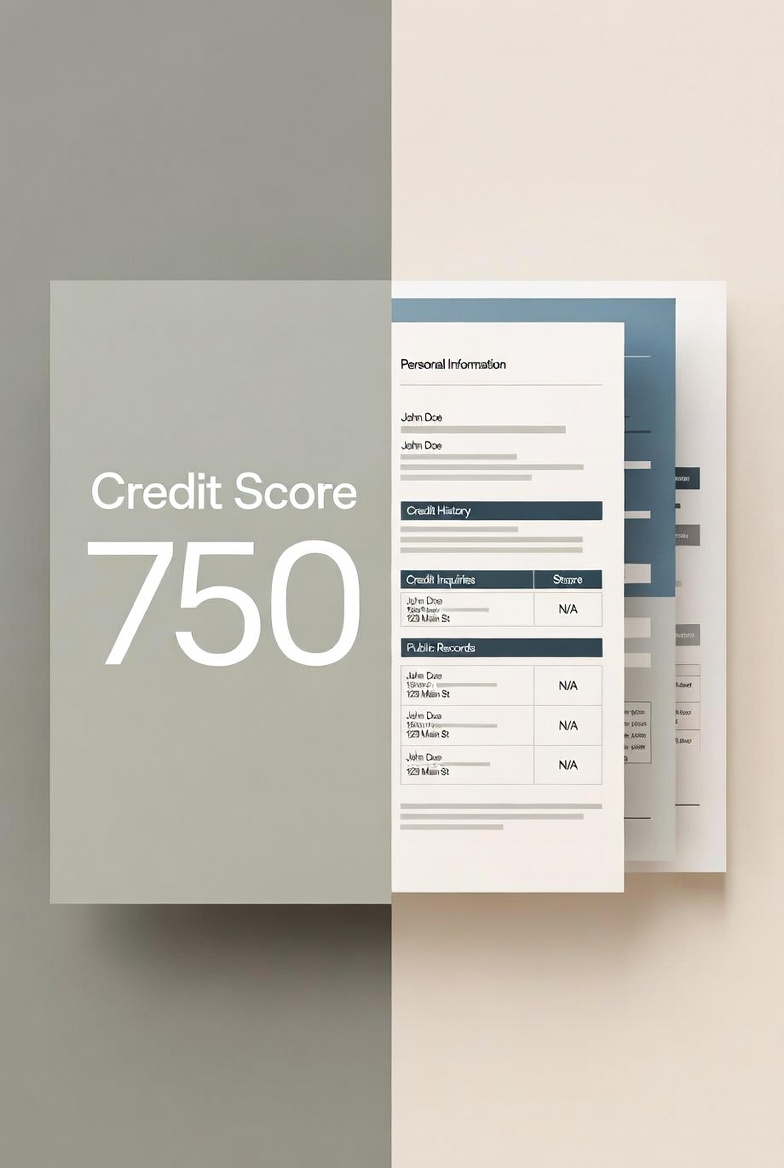
How thin credit files affect approvals is one of the most misunderstood parts of credit. This is especially true when the score looks fine. Yet, the answer still comes back as no.
Watch the video tutorial below.
When the Score Looks good but the Answer Is Still No
You get a soft yes.
You start planning.
Then the lender circles back and says your file is “too thin.”
Not the score.
The credit profile behind it.
That’s usually where the confusion starts.
Because on paper, nothing looks wrong.
You pay your bills.
You don’t carry much debt.
You’ve been careful.
And yet the approval doesn’t hold.

The Real Issue: Thin Credit Profiles, Not Bad Credit
The issue isn’t bad behavior.
It’s a thin credit profile.
A thin file means there isn’t enough visible repayment history in the credit profile. This makes it difficult for a lender to confidently assess risk.
The score exists.
But the story behind the score is incomplete.
Approvals depend on how clearly your credit profile shows repayment behavior over time.
When that pattern isn’t strong or consistent enough, lenders hesitate.
Why Thin Credit Profiles Struggle During Final Review
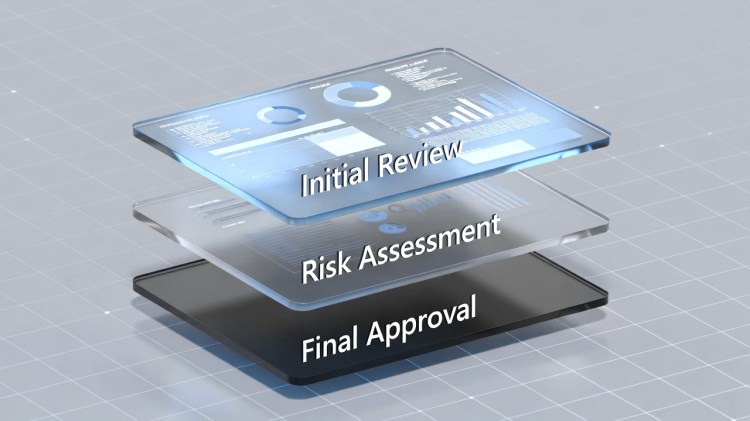
Credit decisions don’t happen in one step.
They happen in layers.
Early reviews focus on surface-level signals like the score.
Final decisions look deeper at the credit profile itself.
That’s where thin files tend to fall apart.
Lenders aren’t asking whether you’re responsible in general.
They’re asking whether your credit profile clearly reflects repayment history they can measure, compare, and rely on.
Debit card usage doesn’t show borrowing.
Savings don’t show repayment under obligation.
Rent and utilities don’t always report consistently across bureaus.
So even when your finances are stable, the credit profile may not show enough depth for approval-level decisions.
That’s why people hear phrases like “not enough history” or “the file is too thin.”
It’s not about trust.
It’s about visibility.
Where Most People Misinterpret What Went Wrong
This is where assumptions quietly cause problems.
- A good score automatically means approval readiness
- One clean account should be enough
- Avoiding credit long-term keeps you safer
- A pre-approval means the risk review is finished
Those ideas aren’t reckless.
They’re just incomplete.
Most people don’t run into credit issues because of bad behavior.
They run into issues because of bad positioning.
Lenders flag structure, timing, utilization, and recent activity long before they judge intent.
Credit Profiles Are About Patterns, Not Just Scores
Here’s the reframe that matters most.
Lenders don’t approve people.
They approve patterns inside a credit profile.
A thin credit file isn’t about being “bad” or “new.”
It’s about whether the profile shows enough repayment history, across enough time, to support the decision being made.
This is where score and profile stop being the same thing.
You can have a decent score with limited profile depth.
You can have clean repayment with not enough reporting history.
You can have age without enough usable data.
That’s why approvals sometimes favor known behavior over unknown behavior.
Not because it’s fair, but because it’s measurable.
This also explains why simply having an account isn’t always enough.
It’s not about chasing a specific number of accounts.
It’s about whether the credit profile shows consistent, readable repayment patterns.
Timing matters.
Utilization matters.
Recent activity matters more than most people realize.
All of that lives inside the credit profile, not just the score.

Why Thin Credit Profiles Need Preparation, Not Reaction

A stronger credit profile isn’t built in response to a denial.
It’s built before an application is even on the table.
That doesn’t mean rushing to open accounts.
It means understanding how your credit profile is being read.
When you understand how thin credit files affect approvals, you stop guessing.
You slow down.
You think in terms of structure, consistency, and timing. That’s how credit decisions stop feeling random.
And that’s how approvals become more predictable.
 blogs.wealthshiftdigital.com