


Approval readiness is more than a score. It is a credit profile that shows lenders stable, recent and verifiable behavior.
How to build credit for approval readiness is different from just trying to raise your score.
A lot of people ask, “How do I build credit?”
That is a good question.
But it is not specific enough.
Building credit for a $500 starter card is not the same as building credit for an apartment, auto financing, a mortgage, higher-limit credit cards, or future business funding.
The goal matters.
The profile you build should match where you are trying to go.
That is where most beginner credit advice falls short.
It tells people to get a card, pay on time, and keep balances low.
That advice is useful, but it is incomplete.
If you want stronger approvals later, you need to think about profile structure, account mix, timing, utilization, inquiries, and comparable tradelines.
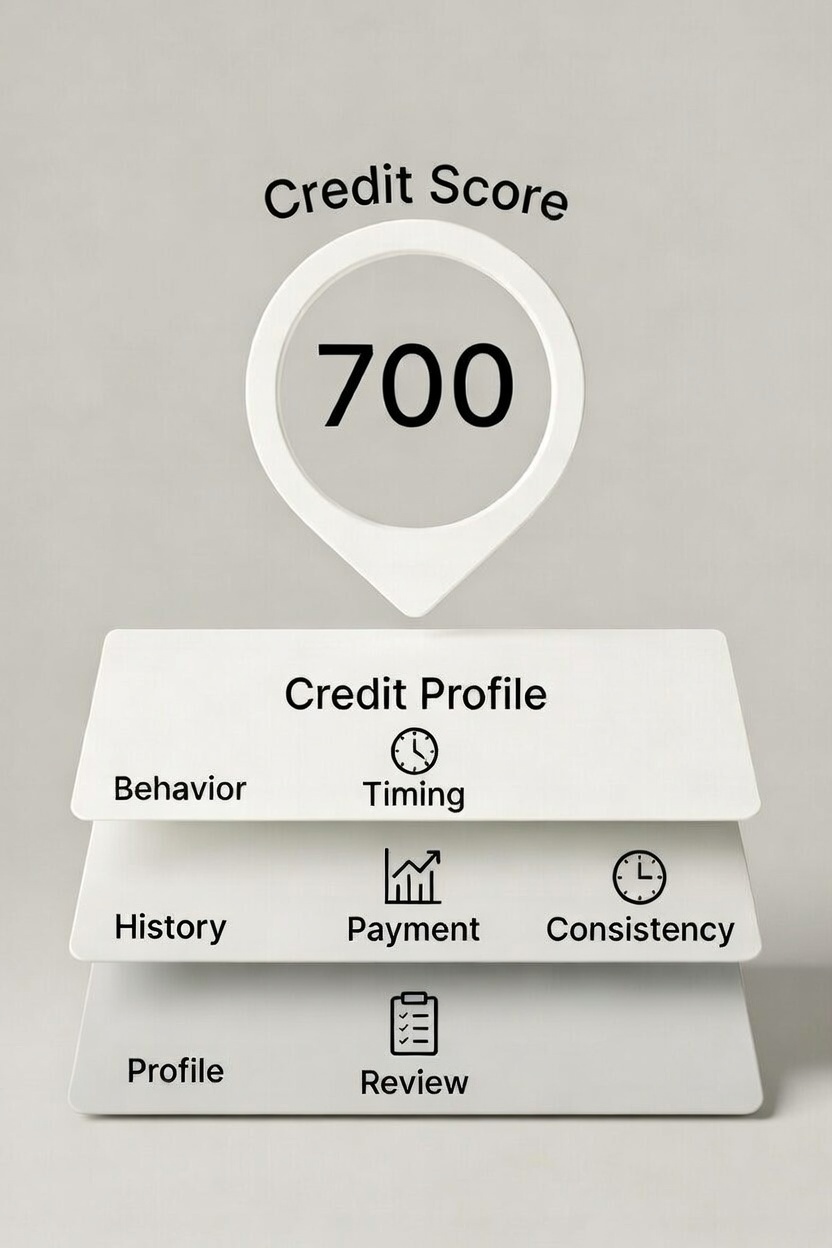
Your score matters.
But your profile tells the deeper story.
Why Building Credit for Approval Readiness Is Not One-Size-Fits-All
Most people build credit by copying random advice.
They open whatever account they hear about first.
They use a secured card.
They try a credit-builder loan.
They hear about Self, Kikoff, rent reporting, or other starter tools.
Some of those tools can help.
But not every account carries the same weight for every goal.
The CFPB guide on starting or rebuilding credit history explains that secured credit cards and credit-builder loans can be common ways to start or rebuild credit, but that does not mean every person needs every product.
The strategy should depend on your starting point and your goal.
A person with no credit needs a different path than someone rebuilding.
A renter preparing for an apartment needs different positioning than a business owner preparing for business funding.
A person trying to qualify for higher credit limits needs different proof than someone just trying to generate a first score.
This is why credit building should start with the question:
What am I building this profile for?
The Three Levels of Building Credit for Approval Readiness
There are really three levels of credit building.
| Level | Who It Is For | Main Goal | Common Accounts | Main Risk |
|---|---|---|---|---|
| Credit on a budget | Beginners with limited money | Establish basic reporting history | Secured cards, starter cards, credit-builder loans, rent reporting, consumer accounts | Opening weak accounts without a plan |
| Credit for everyday approvals | Renters, auto buyers, credit card applicants | Build a profile that supports regular approvals | Primary revolving accounts, installment history, low utilization, stable payment history | Applying too fast or too often |
| Credit for business funding readiness | Early business owners and future funding applicants | Build stronger profile depth and lender trust | Higher-quality primary tradelines, credit union relationships, secured loans, secured cards, business banking relationships | Chasing funding before the profile is ready |
This is the difference between activity and strategy.
Activity is opening accounts.
Strategy is opening the right accounts, in the right order, for the right reason.
Building Credit on a Budget Without Weakening Approval Readiness
Building credit on a budget is where many beginners start.
This may include secured credit cards, credit-builder loans, rent reporting, or consumer tradeline-style accounts.
Examples people commonly ask about include Self, Kikoff, secured cards, and beginner-friendly credit-building products.
These tools can be useful if they help you establish positive payment history and report activity.
But they are not all equal.
A starter account may help you begin, but it may not be the strongest account for serious approval goals later.
For example, a small consumer account may help create reporting activity, but it may not carry the same weight as a well-managed primary credit card with room to grow.
A secured card from a bank or credit union may be more useful if it can graduate, grow, or lead to a stronger relationship.
That is why you should not only ask, “Can this build credit?”
You should also ask, “Does this account support the profile I am trying to build?”
For a deeper breakdown, read Building Credit on a Budget: What Starter Accounts Can and Cannot Do.
Why Starter Accounts Are Not Always Approval-Ready Accounts
Some accounts are good for getting started.
That does not automatically mean they are ideal for stronger approvals.
Kikoff, Self, rent reporting, and similar tools may help some beginners create activity or payment history.
But if your goal is higher-limit credit cards, auto financing, mortgages, or business funding, the profile may need more than starter accounts.
Lenders often want to see direct responsibility, consistency, and experience managing real credit obligations.
That is where primary tradelines matter.
Primary tradelines are accounts in your own name where you are responsible for repayment.
They show your direct behavior.
Authorized user accounts may help in some cases, but they do not always prove the same level of responsibility.
This is why the account type matters.
The goal is not just to have accounts.
The goal is to build proof.
How Many Tradelines Do You Need for Approval Readiness?
Some funding-focused frameworks talk about having 10–12 positive accounts.
That idea can be useful, but it needs context.
You do not automatically need 10–12 accounts just because someone online said so.
The number alone is not the strategy.
A person can have many weak accounts and still have a weak profile.
Another person can have fewer accounts, but stronger history, better utilization, lower inquiries, and better account quality.
The better question is:
Do the accounts on your report support the approval you want?
Account quality matters.
Account age matters.
Account mix matters.
Utilization matters.
Payment history matters.
Inquiry control matters.
Timing matters.
So yes, more positive accounts can help create depth.
But opening accounts just to hit a number can backfire if it creates too many inquiries, lowers average age, or adds accounts that do not support your goal.
For more on this, read How Many Credit Accounts Do You Really Need to Build a Strong Profile?
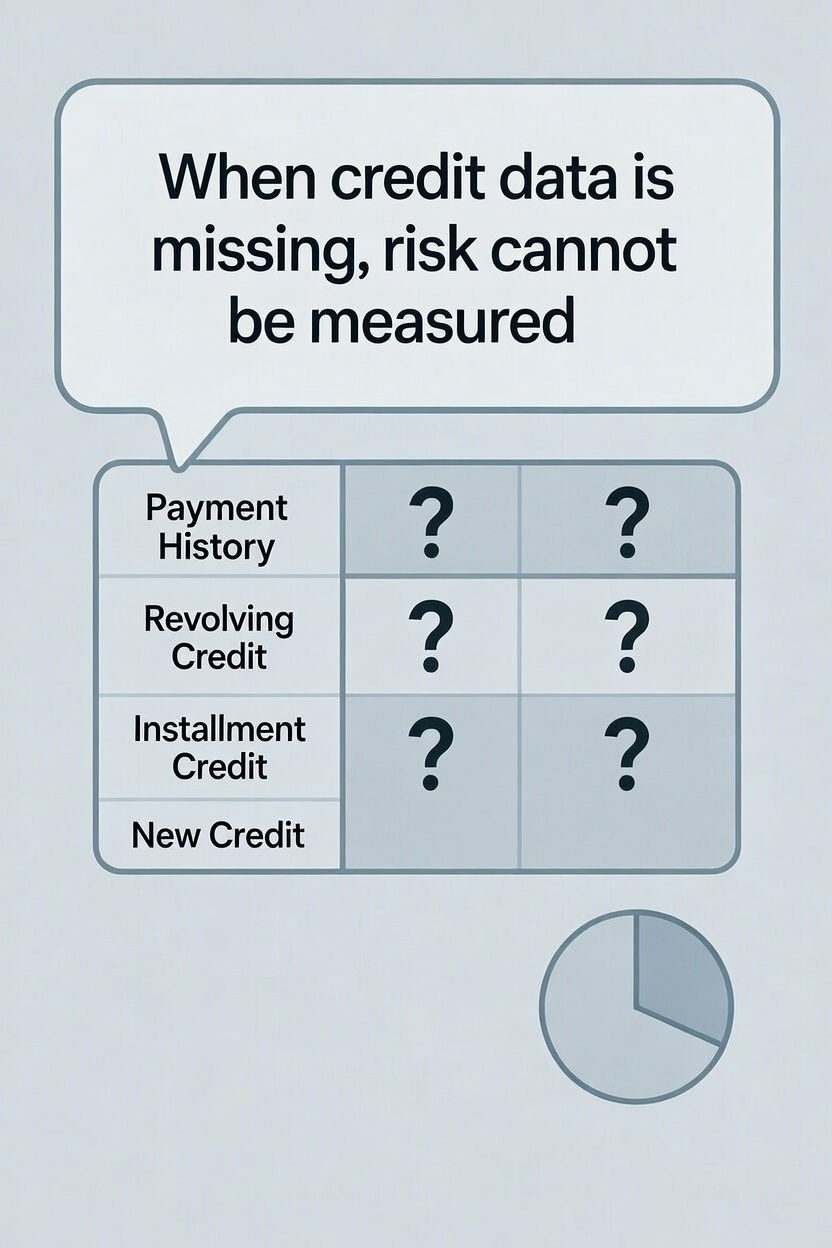
7 Credit Profile Factors Beginners Miss
When beginners ask how to build credit, they often focus on the score.
But lenders may evaluate more than the number.
The FTC guide to understanding credit explains that credit scores are based on information in your credit report and that businesses use scores to help decide whether to give credit and what terms to offer.
That means your credit report still matters.
Here are seven profile factors beginners often miss:
| Profile Factor | What It Means | Why It Matters |
|---|---|---|
| Payment history | Whether accounts are paid on time | Shows reliability |
| Utilization | How much available credit reports as used | High usage can signal risk |
| Account age | How long accounts have been open | Older history can show stability |
| Account mix | Revolving and installment account structure | Shows broader experience |
| Primary tradelines | Accounts in your own name | Shows direct responsibility |
| Recent inquiries | How often you are applying | Too much activity can look risky |
| Comparable tradelines | Limits and accounts similar to what you want next | Helps lenders judge comfort level |
This is why building credit for approvals is different from just creating a score.
A score may help you get considered.
The profile helps explain whether the lender should trust you with the decision you are asking for.
Why Comparable Tradelines Matter for Higher Limits
Comparable tradelines matter when you are trying to qualify for stronger limits.
If your current accounts are all $300, $500, or $1,000 limits, a lender may not have much proof that you can manage a much higher limit yet.
That does not mean you are stuck.
It means your profile may need time, stronger account history, and better account management.
Comparable tradelines help show what you already manage.
If you want higher-limit cards later, it helps to build accounts that can grow.
This is why some secured cards, credit union products, and relationship-based banking products may be more useful than random starter accounts.
The point is not to chase high limits blindly.
The point is to build proof gradually.
Why Credit Union Credit Building Can Support Approval Readiness
Credit unions can be useful because some offer multiple relationship-building products.
Depending on the institution, this may include secured credit cards, secured loans, share-secured loans, overdraft lines of credit, or other member products.
Not every credit union offers the same options.
Not every product is right for every person.
But the concept is important.
A credit union relationship can give you a structured way to build credit, banking history, and lender familiarity.
For example, someone may use a secured loan to add installment history, a secured card to build revolving history, and a checking relationship to support future banking decisions.
That does not guarantee future approval.
But it can build a more complete profile than relying on one random starter account.
Building Credit for Business Funding Readiness
Business owners need to think differently.
If you want business credit cards, lines of credit, or business funding later, your personal credit may still matter.
Guides like SCORE’s guide to establishing business credit recommend building a business credit history that’s separate from your personal credit. Early on, though, lenders may still look at your personal credit.
That does not mean personal credit is the only factor.
Business revenue, time in business, industry, documentation, banking history, and lender requirements can also matter.
But personal credit structure can still affect early business funding conversations, especially when personal guarantees are involved.
This is why business owners should not build credit randomly.
If you are preparing for business funding, your profile should show stability, responsible account management, low utilization, clean timing, and enough depth to support the request.
This is not about guaranteed funding.
It is about readiness.
What To Avoid When Building Credit for Approvals
Avoid opening accounts just because someone said you need more tradelines.
Avoid applying too quickly.
Avoid carrying high reported balances.
Avoid depending only on authorized user accounts.
Avoid chasing shortcuts.
Avoid trying to make your profile look stronger than it really is.
Also be careful with language around backdated tradelines.
Aged accounts and account history matter, but the safest path is to build legitimate primary history and understand what is actually reporting.
The goal is not to create the appearance of readiness.
The goal is to build real readiness.
That is the difference between a credit trick and credit positioning.
How to Choose the Right Credit-Building Path for Your Goal
Before opening another account, ask yourself what you are building toward.
If your goal is basic credit access, a simple secured card or beginner card may be enough to start.
If your goal is an apartment or auto financing, you may need clean payment history, controlled utilization, low recent applications, and enough account age.
If your goal is higher credit limits, you may need stronger comparable tradelines and better revolving account management.
If your goal is business funding readiness, you may need stronger personal credit structure, business banking, revenue consistency, and lender-aligned timing.
The account should match the goal.
The sequence should match the stage.
The timing should protect the profile.
Credit Positioning Review CTA
If you are building credit for a specific goal, do not only ask, “How do I build credit?”
Ask whether your profile is being built in the right direction.
A Credit Positioning Review can help you understand what your current profile may be saying, what type of accounts may matter next, and whether your timing supports the approval goal you are preparing for.
This can be helpful if you are preparing for an apartment, auto financing, a mortgage, higher credit limits, or future business funding.
Request a Credit Positioning Review
Common Questions About Building Credit
What is the best way to build credit from scratch?
The best starting point is usually a simple, reportable account that you can manage consistently.
That may be a secured credit card, beginner card, or credit-builder loan, depending on your situation.
The key is on-time payment history, low reported balances, and time.
Are Kikoff and Self good for building credit?
They may help some beginners create reporting activity, but they are not automatically the best accounts for every goal.
They can be useful starter tools, but approval readiness may require stronger primary tradelines and better account structure over time.
Do I need 10–12 tradelines?
Not automatically.
Some funding-focused strategies aim for deeper profiles, but the number alone is not the point.
The quality, age, mix, utilization, payment history, and purpose of the accounts matter more.
Should I build credit with a secured card or secured loan?
A secured card can help build revolving credit history.
A secured loan can help add installment history.
The better option depends on what your profile is missing and what goal you are preparing for.
Can building personal credit help with business funding?
It can matter, especially for newer business owners or funding options that involve personal guarantees.
Business funding readiness may also depend on revenue, time in business, industry, banking history, and lender requirements.
Final Thoughts
Building credit is not just about creating a score.
It is about building a profile that supports the approvals you want later.
Credit on a budget can help you start.
Credit for everyday approvals requires stronger structure.
Credit for business funding readiness requires even more intentional positioning.
The goal is not to open random accounts.
The goal is to build the right accounts, in the right order, at the right time.
Was this helpful?
Leave a comment, share this article, or send a message if you want me to explain more about building credit on a budget, tradelines, credit union relationships, business funding readiness, or how many accounts you actually need.
How to build credit for approval readiness starts with building a profile, not just chasing a score.
Keep reading
- Start here: Credit Basics Guide
- Building Credit on a Budget: What Starter Accounts Can and Cannot Do
- How Many Credit Accounts Do You Really Need to Build a Strong Profile?
- Secured Cards vs Credit Builder Products: Which One Actually Builds Credit Faster?
- How Thin Credit Files Affect Approvals
Educational content only, not financial, legal or credit repair advice. WealthShift doesn’t guarantee any credit score, credit limit or approval outcome. Examples use round numbers for illustration.

Approval readiness FAQ
What is approval readiness?
It means your credit profile, income and documents meet a lender’s requirements before you apply.
How long does approval readiness take?
It depends on what needs fixing; utilization can change in a month, while new history takes longer.
Does approval readiness guarantee approval?
No. Lenders make their own decisions, but readiness improves your odds and reduces surprises.
What hurts approval readiness most?
Recent late payments, high utilization and many recent inquiries.

Leave a Reply