


Business funding readiness means knowing how much you need, what your business can afford to repay, and what a lender will ask you to document. Before you apply, check seven things: the loan purpose and amount, cash flow, repayment fit, personal and business credit, application documents, total financing cost, and the lender’s current requirements.
You found a financing option.
The monthly payment looks manageable. The application looks simple.
But before you apply, it’s worth asking: if a lender looked at your business today, what would they see? And would you still be comfortable with the payments after you sign?
Applying before you’re ready can lead to a denial, a smaller offer than you needed, or an expensive product you accept because it was the only one available.
This checklist covers seven things to review first. Each step links to a deeper guide.
Table of Contents
Why Preparation Matters
The Federal Reserve Banks’ 2026 Report on Employer Firms, based on the 2025 Small Business Credit Survey, found that 60% of employer firms applied for some type of financing in the prior 12 months.
Among those applicants, 42% received the full amount they sought, 36% received some or most of it, and 22% received none.
Applicants who weren’t approved for at least some of what they asked for most often said lender requirements were too strict. Other reasons included existing debt, collateral, credit score, and weak sales.
Some of those factors are outside your control. Others, like your paperwork, your cash flow picture, and the product you choose, are things you can review before you apply.
These are survey results across many businesses. They don’t predict what any one lender will decide about yours.
Step 1: Define the Purpose and the Amount
Start with two questions:
- What exactly is the money for?
- How much do you actually need?
Equipment, a larger project, payroll gaps, and expansion can each point toward a different type of financing. A vague request like “I need working capital” gives a lender less to evaluate and gives you less to plan around.
Step 2: Understand Cash Flow, Not Just Sales
Strong sales don’t guarantee there’s money left after expenses. Revenue, profit, and cash flow are three different numbers.
If you’ve ever looked at a busy month and wondered where the money went, read Your Business Makes Sales, So Why Is There No Money Left? before you apply.
Step 3: Check Whether the Payments Fit
Lenders often measure this with a number called the debt service coverage ratio, or DSCR. It compares the cash your business generates with the debt payments it has to cover, including the new loan.
You can estimate it yourself. Our guide, What Is Debt Service Coverage Ratio (DSCR)?, walks through the formula with an example.
Step 4: Review Your Personal and Business Credit
Even when a business has its own name and bank account, a lender may still review the owner’s personal credit, especially for newer businesses.
Understand the difference first with Business Credit vs. Personal Credit. If you’re just starting out, see How to Start Building Business Credit.
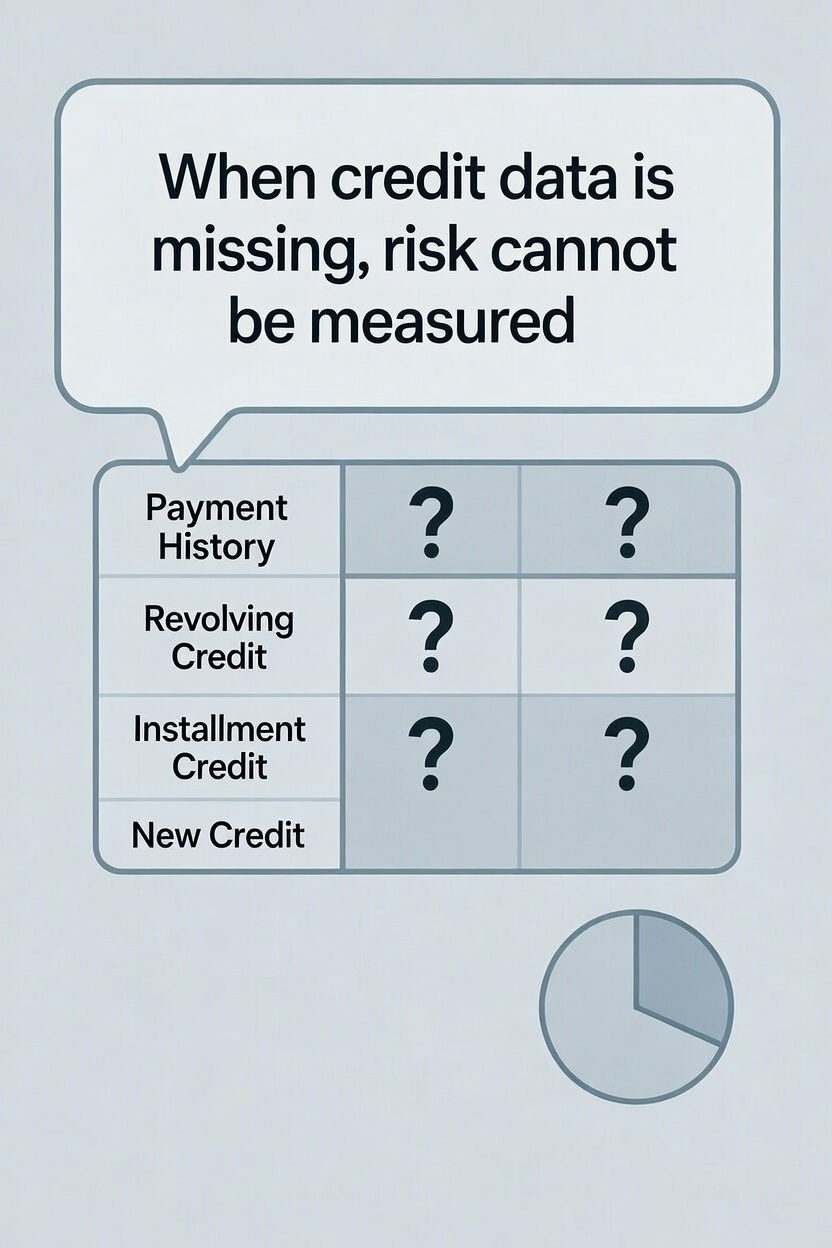
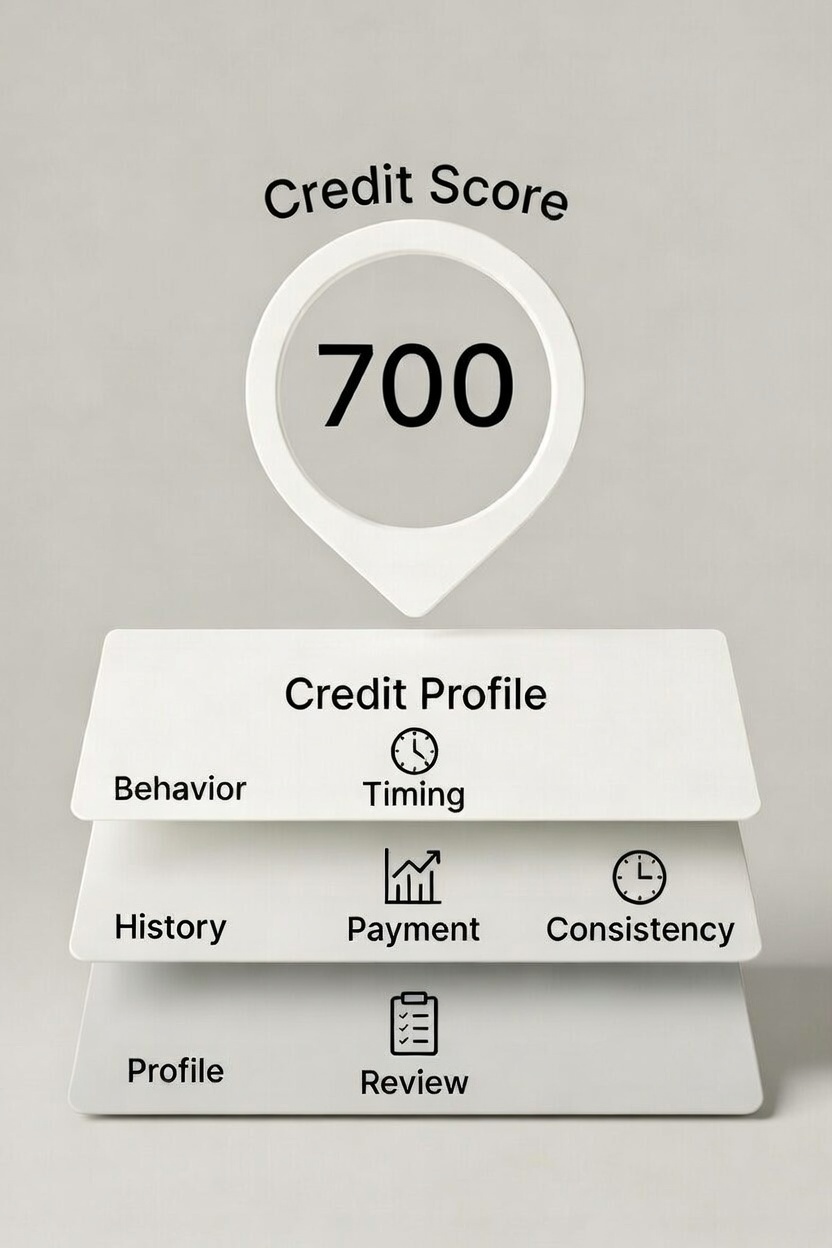
And remember that a score is only part of the picture. Credit Score vs Credit Profile and Why Am I Still Getting Denied? explain what else lenders may look at.
Step 5: Gather Your Documents
Missing or messy paperwork slows applications down. Tax returns, bank statements, financial statements, and a debt schedule are common requests.
Use the Business Loan Application Checklist to see what lenders typically ask for.
Step 6: Compare the Real Cost
A lower monthly payment doesn’t automatically mean a cheaper offer. Interest rates, APRs, factor rates, fees, and repayment terms are not interchangeable.
Before you sign, review Should You Borrow Money for Your Business? Five Costs to Check First.
Step 7: Check the Current Program Rules
Lending rules change. For example, SBA underwriting for smaller 7(a) loans changed in March 2026. Read SBA 7(a) Small Loans in 2026 so you’re working from current information, then confirm details with the lender.
What If You’re Not Ready Yet?
Not ready isn’t permanent. If your cash flow is thin, your records are disorganized, or your credit file is still developing, those are things you can work on before applying.
Waiting a few months to apply with a clearer picture may be better than applying now and accepting whatever is offered.
Final Takeaway
Funding readiness isn’t about guaranteeing approval. No checklist can do that.
It’s about knowing your numbers, understanding what a lender may review, and choosing financing your business can reasonably manage.
This article is for general education only. It is not legal, tax, accounting, or lending advice, and WealthShift Digital is not a lender or loan broker.
Reference Resources
- Federal Reserve Banks: 2026 Report on Employer Firms (2025 Small Business Credit Survey)
- SBA Lender Match
Official sources: SCORE: Documents you need when applying for a loan
Why business funding readiness comes before applications
Every application can add a hard inquiry. Checking business funding readiness first helps you apply to lenders whose requirements you already meet.
Score yourself honestly on each step: personal credit, business credit file, bank statements, tax returns, entity setup, existing debt and the loan amount you need. Fix the weakest item first.
Business funding readiness is not a one-time task. Review it every quarter so your records stay current when an opportunity comes up.

Business funding readiness FAQ
How do I measure business funding readiness?
Compare your credit, revenue, time in business and documents with the lender’s stated requirements.
How long does business funding readiness take?
It can take weeks for documents and months for credit or cash flow improvements.
Is business funding readiness different for SBA loans?
SBA loans usually require more documentation and stronger records.
Can a consultant guarantee business funding readiness?
No one can guarantee approval. A consultant can help organize records and spot gaps.

Leave a Reply