
A CP565 is the good-news letter: the IRS assigned your Individual Taxpayer Identification Number. Here’s what happens next and how to avoid problems next year.
1. Secure the CP565 letter
Store the original somewhere safe and keep a scanned copy. You’ll need the ITIN for every future federal return, and some banks and lenders ask to see proof of it.
2. Has the IRS processed my tax return?
The return you attached to your W-7 is processed after the ITIN is assigned, so expect it to take a few more weeks. You can check refund status with the IRS “Where’s My Refund?” tool once enough time has passed.
3. When can I start using my ITIN?
Right away, for tax purposes. Use it on future returns and on forms where an employer or payer asks for a taxpayer ID, like a W-9 or W-8BEN, as appropriate. It doesn’t replace an SSN for employment, though.
4. Can I e-file next year?
Yes. Once you have an ITIN, future returns can usually be e-filed through software or a preparer, as long as nothing else on the return forces paper filing.
5. Keep the ITIN active
An ITIN that isn’t used on a federal tax return for three consecutive years expires at the end of the third year. If you skip filing for a few years, renew with a new Form W-7 before you need it.
FAQ
Can I use this ITIN to get a job? No. An ITIN doesn’t authorize employment.
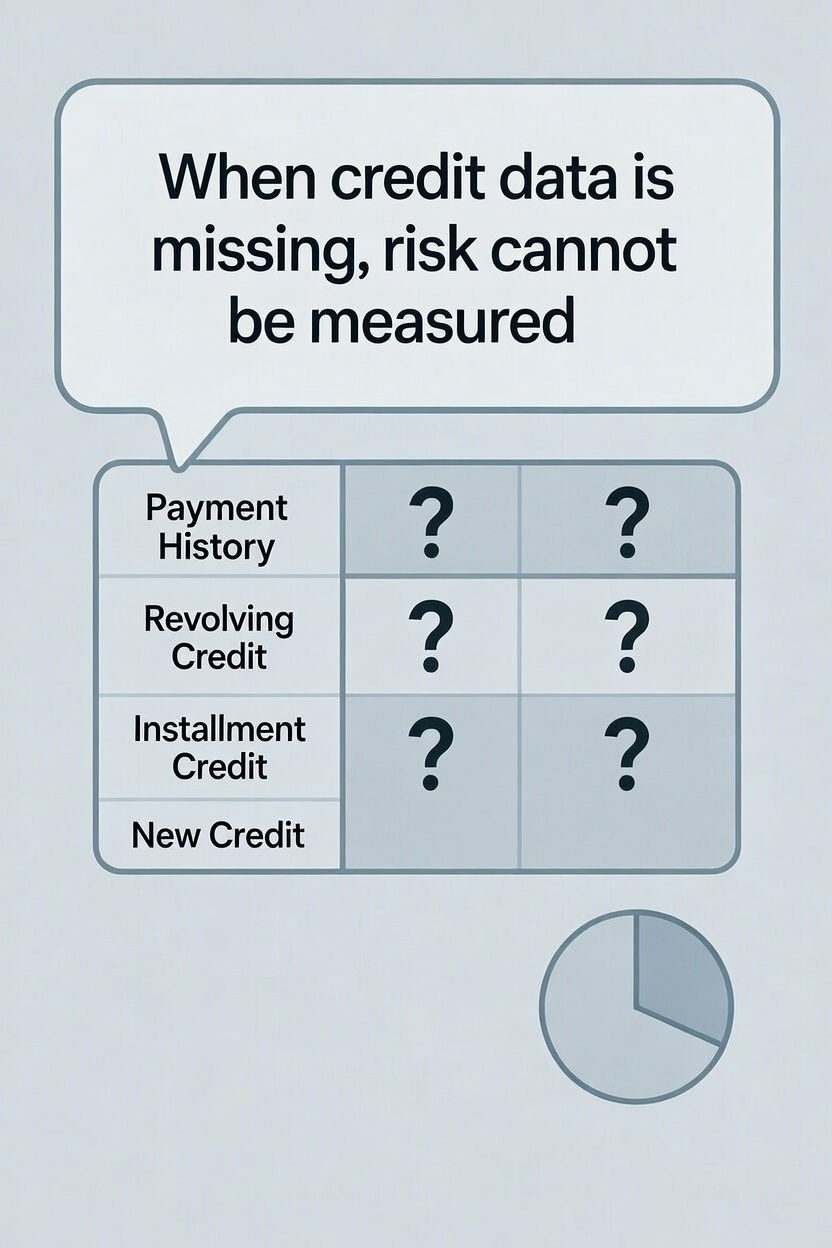
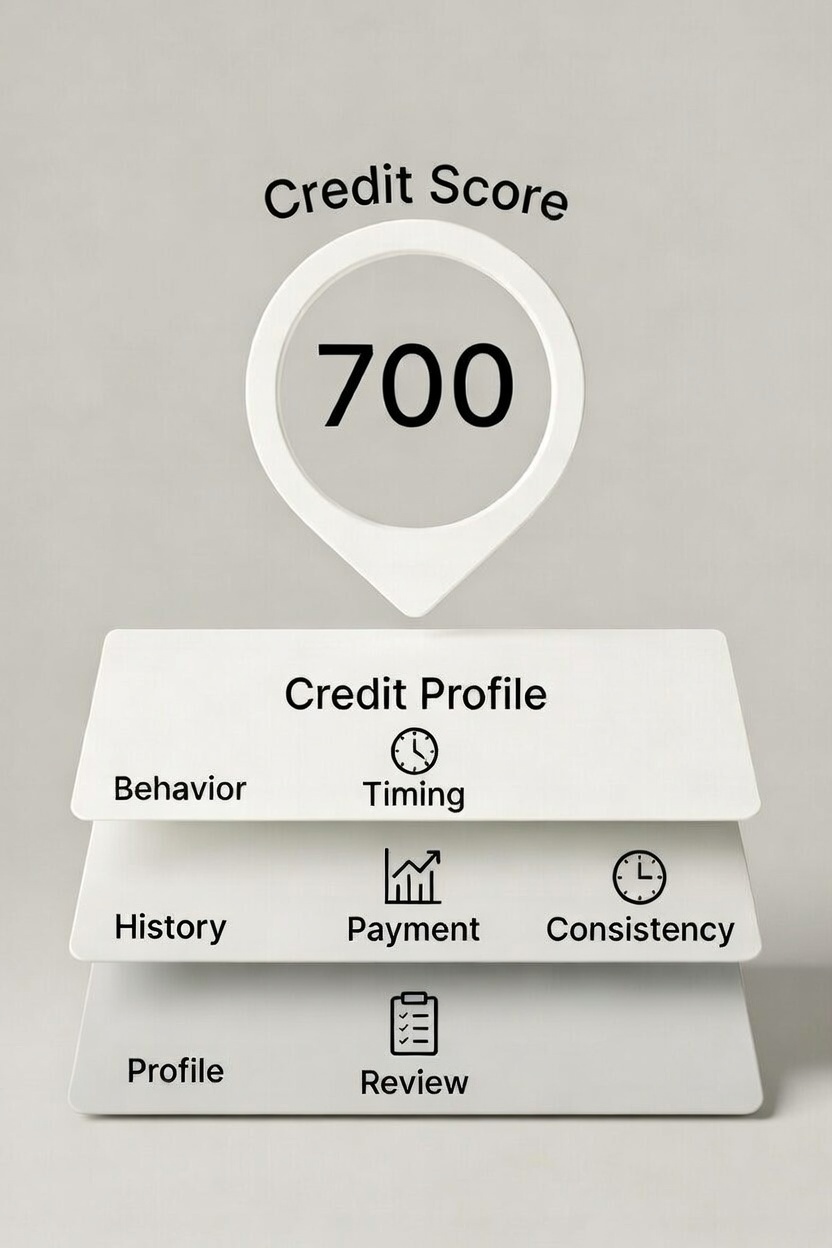
Can I use my ITIN to build credit? Many lenders and some card issuers accept ITINs. A new file starts thin, so read how thin credit files affect approvals before you apply.
Do I need to reapply every year? No, only if the ITIN expires or the IRS asks.
What if I later get an SSN? Tell the IRS so your records are merged under the SSN, and stop using the ITIN.
Official reference: IRS: Understanding your CP565 notice. Related: ITIN rejected (CP567)? · Nonresident Spouse & ITIN Tax Guide
General education, not individual tax advice.
Official sources: IRS: ITIN information · IRS: About Form W-7

Leave a Reply