

Quick answer: You can have good credit and still get denied because lenders look past the score. Income, debt-to-income ratio, recent applications, length of history and the lender’s own rules can all lead to a denial.

Good credit but denied is one of the most frustrating situations because it feels like the rules are not matching the outcome.
You can pay every bill on time.
You can keep your balances low.
You can watch your score go up.
Then you apply for credit, and the denial still shows up.
That is the part most people do not expect.
People are taught that good credit means access. So when they get denied, they start thinking something is wrong with them or their credit score.
But the truth is simpler.
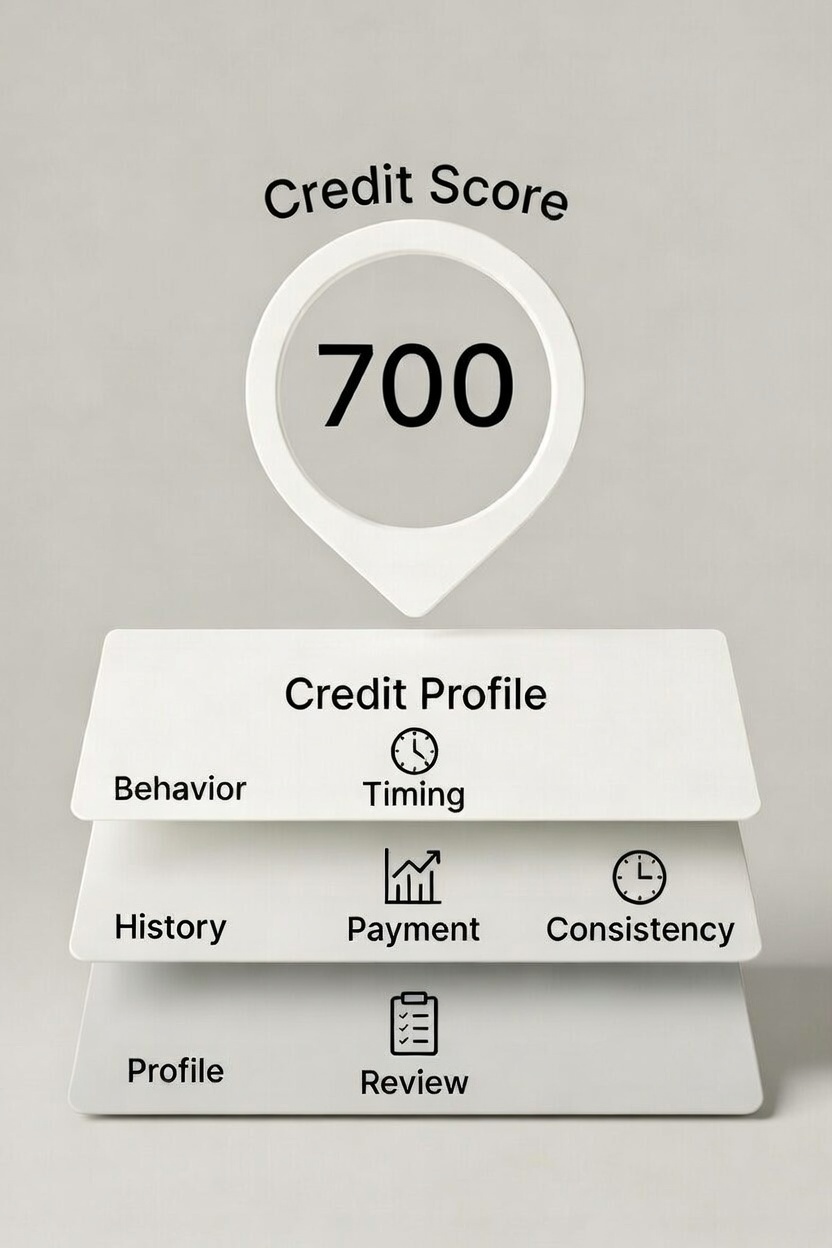
A good credit score helps, but lenders do not approve you based on the score alone. They look at your full credit profile, your income, your debt, your recent applications, and whether your profile matches the credit you are asking for.
That is why someone can have good credit and still hear “no.”
In this post
Why Good Credit But Denied Happens
Good credit but denied usually happens because the lender sees something in your profile that makes the application look risky.
That does not always mean you have bad credit.
It can mean:
- your credit history is too thin
- your accounts are too new
- your debt is too high compared to your income
- you applied for too much credit recently
- your limits are too low compared to what you requested
- your profile does not match that lender’s approval standards
This is where people get confused.
A credit score tells one part of the story. It shows how you managed credit in the past. But an approval decision looks at whether you look safe to lend to right now.
Those are not the same thing.
For a deeper breakdown, read why your credit score and credit profile are not the same thing.
A Good Score Is Not the Whole Approval Decision
A good score can open the door, but it does not force the lender to say yes.
Lenders may review your score, but they may also look at:
- account age
- credit history depth
- income
- monthly debt payments
- recent inquiries
- recent new accounts
- available credit
- past negative marks
- the type of product you applied for
That is why two people can have similar scores and get different results.
One person gets approved.
The other person gets denied.
Same score range, different profile.
NerdWallet notes that people with good credit can still be rejected for a credit card because issuers may look at income, debt, and whether the applicant appears able to repay.
That is the missing piece.
Credit approval is not just about looking responsible. It is about looking ready.
Why Thin Credit History Can Still Block You
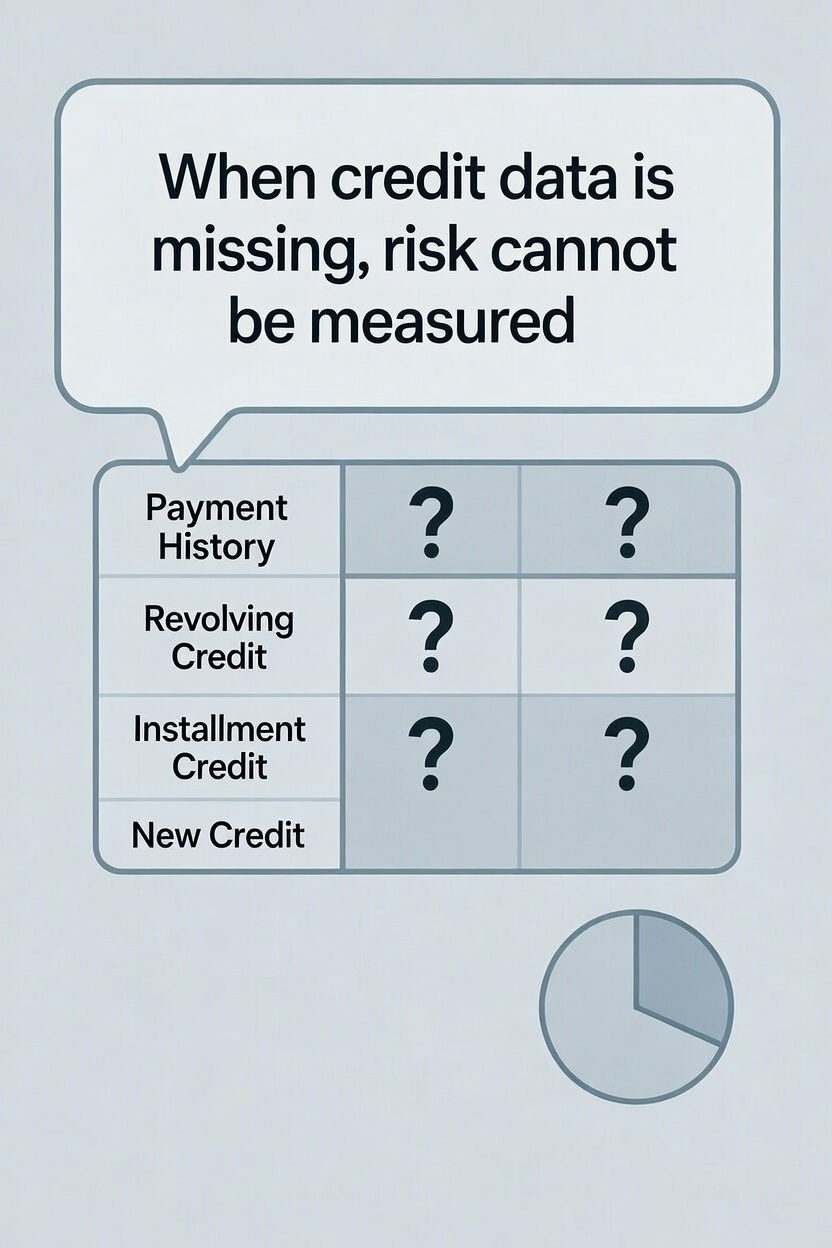
A thin credit file means there is not enough credit history for lenders to judge.
You may have a good score, but if you only have one or two accounts, the lender may still feel like there is not enough proof.
They may wonder:
- Can you manage larger credit limits?
- Can you handle multiple accounts?
- Can you manage credit over time?
- Do you have enough experience with different types of credit?
That is why someone can have good credit but denied applications at the same time.
The score may look fine, but the file may still be too limited.
Experian explains that a thin credit file can make it harder to qualify for new accounts, and even if approved, the person may receive less favorable rates or terms.
So if your credit file is still young or limited, the issue may not be your score.
The issue may be that your profile has not built enough depth yet.
If this sounds like your situation, read how thin credit files affect approvals.
Why Debt-to-Income Can Override Good Credit
Debt-to-income is one of the biggest reasons someone can have good credit but denied results.
Your debt-to-income ratio compares your monthly debt payments to your monthly income.
So even if your score looks good, the lender may still ask:
“Can this person afford more debt?”
If your monthly obligations already look heavy, the lender may deny the application.
That can happen even with a solid score.
Experian explains that debt-to-income ratio is one factor lenders may use to determine eligibility for a loan or credit card.
This is why good credit alone does not always carry the application.
A person with a lower score but low debt may look safer than someone with a higher score and too many monthly obligations.
That is not always fair-feeling, but it is how risk works.
Why Recent Applications Can Make You Look Risky
Another reason good credit but denied happens is timing.
If you apply for too many accounts too close together, lenders may see that as a risk signal.
You may think:
“I’m just trying to get approved.”
But the lender may think:
“This person is looking for too much credit too fast.”
That can make the application look risky, even if your score is still decent.
This is where people make the problem worse. They get denied, then immediately apply somewhere else. Then they get denied again. Now they have more inquiries, more frustration, and still no clear answer.
That is why rushing credit applications can create more problems than progress.
Sometimes the smartest move is not another application.
Sometimes the smartest move is to stop and review what your profile is signaling.
Why the Denial Letter Matters
If you get denied, do not ignore the denial letter.
That letter is not just a rejection. It is a clue.
The CFPB states that when credit is denied, the applicant must be given the specific reasons for the denial or a notice explaining the right to receive those reasons.
That means the denial reason can help you understand what the lender saw.
Look for reasons like:
- too many recent inquiries
- insufficient credit history
- balances too high
- income too low
- debt obligations too high
- limited credit experience
- recent delinquency
- too many newly opened accounts
Do not just guess.
Read the reason.
That is how you stop applying blindly and start fixing the real issue.
Good Credit But Denied Does Not Mean You Failed
Good credit but denied does not mean you failed.
It usually means something is misaligned.
Maybe your profile is still too new.
Maybe your debt is too high.
Maybe you applied too fast.
Maybe your credit limits are too low.
Maybe your score improved, but your profile still needs more depth.
That is why you have to stop thinking of credit as a reward system.
Credit is a risk system.
Good behavior helps you become eligible.
Good positioning helps you get approved.
That is the difference.
What to Check Before You Apply Again
Before you apply again, check the full picture.
Look at:
- your account age
- your recent applications
- your current balances
- your monthly debt payments
- your income compared to obligations
- your open accounts
- your credit limits
- your denial reasons
- whether the lender fits your profile
This is how you move from guessing to positioning.
You are not just trying to raise your score.
You are trying to build a profile that makes sense to the lender.
Questions People Keep Asking
Why do I keep getting denied with good credit?
You may keep getting denied with good credit because lenders look at more than your score. They may review your debt, income, account history, recent applications, and overall credit profile.
Can you have good credit and still get denied?
Yes. You can have good credit and still get denied if your profile looks too new, too thin, too risky, or too stretched compared to the credit you requested.
Why did I get denied if my score went up?
A rising score does not erase every risk factor. You may still have high debt, limited history, recent inquiries, or a profile that does not match the lender’s approval standards.
Should I apply again after getting denied?
Not right away. First, read the denial reason. If the issue is thin credit, recent applications, high balances, or debt-to-income, applying again too soon can make things worse.
Does debt-to-income matter for credit cards?
Yes. Lenders may use your income and debt obligations to decide whether you can handle more available credit.
The Real Takeaway
Good credit but denied is not always about doing something wrong.
Sometimes it means your score improved, but your profile is not fully ready yet.
That is why you need to look beyond the number.
Your score may say you are responsible.
Your profile may still say you need more time, better timing, lower debt, or stronger account history.
Once you understand that, denial stops feeling random.
It becomes information.
And once you know what the lender is reacting to, you can stop chasing approvals and start building a profile that actually makes sense.
Gentle Next Step
Before you apply again, review what your credit profile is showing lenders.
Not just the score.
Look at your debt.
Look at your timing.
Look at your account age.
Look at your recent applications.
Look at your denial reason.
That is where the real approval strategy starts.
Because the goal is not just to look good on paper.
The goal is to look ready to the lender.


Official sources: CFPB: What are credit scores? · FTC: Understanding your credit
What should I do if I have good credit and still get denied?
Read the adverse action notice, check your reports for errors, and wait before reapplying. With good credit, the reason is often income or debt-to-income.

Keep reading
- Start here: Credit Basics Guide
- Good Credit, Still Denied? Here’s What Lenders Are Actually Looking At
- Why Am I Still Getting Denied? Here’s What Lenders Are Actually Looking At Beyond Your Credit Score
- Why did I get denied with a 700 score?
- Why Do I Keep Getting a Low Credit Limit With Good Credit?
Educational content only, not financial, legal or credit repair advice. WealthShift doesn’t guarantee any credit score, credit limit or approval outcome.

Leave a Reply