


Building credit on a budget is about choosing low-cost accounts that report to the bureaus and using them consistently. You do not need a large income or big balances to build a strong file.
Building credit on a budget can help you start, but it should not be confused with building a full approval-ready profile.
If you are new to credit, it is normal to look for the easiest and cheapest way to get started.
You may hear about secured credit cards, credit-builder loans, rent reporting, Self, Kikoff, or other beginner-friendly credit tools.
Some of these accounts can help.
But they are not all equal.
The goal is not just to add something to your credit report.
The goal is to understand what that account actually does for your profile.
That matters because building credit for a starter score is not the same as building credit for higher limits, apartments, auto financing, mortgages, or future business funding.
A budget-friendly account can be useful.
But it still needs to fit the direction you are building toward.
Why Building Credit on a Budget Is a Starting Point
Building credit on a budget is usually the first stage.
This stage is for people who need to create basic reporting activity without spending too much money.
That may include a secured credit card, a credit-builder loan, rent reporting, or a beginner consumer account.
The CFPB: ways to start or rebuild a good credit history explains that secured credit cards and credit-builder loans can be common ways to start or rebuild credit.
That is helpful.
But the key word is start.
Starting credit is different from building depth.
A starter account can help you establish payment history.
It can help your report show activity.
It can help you begin building a file.
But it may not be enough by itself if your long-term goal is stronger approvals.
This connects back to How to Build Credit for Approval Readiness: 7 Profile Factors Beginners Miss.
What Starter Accounts Can Do
Starter accounts can help create a foundation.
They may help you show that you can manage an account consistently.
They may help create a payment record.
They may help add activity to a thin file.
They may help someone with no credit begin building a report.
That is useful.
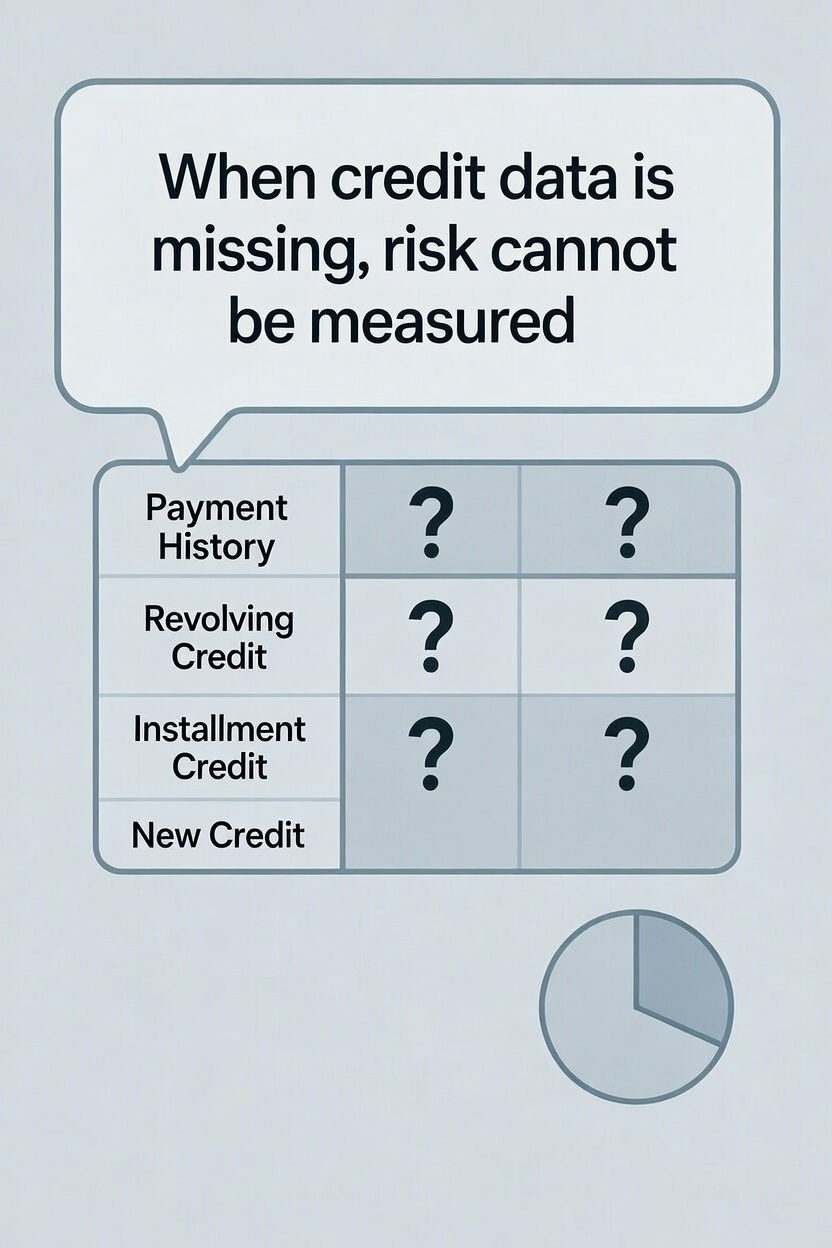
A blank or thin file gives lenders very little to review.
If there is no activity, there is not much history.
If there is not much history, lenders may be cautious.
A starter account can begin solving that problem.
But you still need to understand the limits of that account.
What Starter Accounts Cannot Do
Starter accounts cannot replace a full credit profile.
They cannot guarantee stronger approvals.
They cannot automatically prepare you for higher-limit cards, auto financing, apartments, mortgages, or business funding.
They also may not carry the same weight as stronger primary tradelines.
A small consumer account may report positive activity, but it may not prove that you can manage larger revolving credit limits.
A credit-builder loan may help show installment history, but it may not replace the need for revolving account management.
Rent reporting may help add payment activity, but not every lender will treat it the same way.
This is why you should not assume that every account that reports is equally valuable.
The account has to match the goal.
Secured Credit Cards on a Budget
A secured credit card can be one of the more useful starter tools because it can help build revolving credit history.
Revolving credit matters because credit cards are revolving accounts.
You borrow, pay down, and reuse the line.
That behavior can show lenders how you manage available credit.
A secured card usually requires a deposit.
That deposit often becomes the starting credit limit.
For example, a $200 or $500 deposit may create a $200 or $500 limit.
If the card reports to the major credit bureaus and is managed well, it can help build payment history and utilization behavior.
A secured card may be especially useful if it can graduate to an unsecured card later.
That does not happen with every card.
So before choosing one, look at whether it reports, what fees it charges, whether it can grow, and whether it fits your long-term plan. For more, see Secured credit cards aren’t only for bad credit.
Credit-Builder Loans on a Budget
A credit-builder loan can help someone add installment history.
With many credit-builder loans, the money is held while you make payments.
As you pay, the lender reports the payment history.
This can help build a record of installment payments.
The CFPB has also studied how these loans work for consumers in its research on credit builder loans.
That can be useful, especially for someone with no installment history.
But a credit-builder loan is not the same as a credit card.
It does not show how you manage revolving credit.
It may help account mix, but it should not be treated as the whole strategy.
If your goal is approval readiness, you need to understand what the loan adds and what it does not add. Compare the two in Secured Cards vs Credit Builder Products.
Consumer Tradelines Like Self, Kikoff, and Similar Tools
Consumer tradeline-style accounts can be helpful for some beginners.
They may create reporting activity.
They may be easier to access than traditional credit products.
They may help someone start building a file when other options are limited.
But they are not always the strongest accounts for serious approval goals.
That does not mean they are useless.
It means they should be understood correctly.
If the account is small, limited, or not connected to a long-term lender relationship, it may help with basic reporting but not do much for higher-limit readiness.
If your goal is simply to get started, a beginner tool may help.
If your goal is higher limits or future funding, you may need stronger primary accounts over time.
This is where people get confused.
They think any tradeline is the same as a strong tradeline.
It is not.
Rent Reporting Can Help, But It Has Limits
Rent reporting can help some people add payment history to their credit file.
That may be useful if they have limited accounts.
But rent reporting should not be treated as a complete credit-building strategy.
Rent is not the same as revolving credit.
It is not the same as managing a credit card.
It is not the same as managing installment debt.
It may support the profile, but it usually does not replace core credit accounts.
If you use rent reporting, see it as one possible layer.
Do not rely on it as the entire foundation.
The Difference Between Cheap Accounts and Strategic Accounts
A cheap account is not automatically a bad account.
But cheap should not be the only reason you choose it.
A strategic account should help your profile move toward your goal.
If you want stronger credit card approvals, you need useful revolving history.
If you want installment depth, a secured loan or credit-builder loan may help.
If you want to build lender relationships, a credit union product may be more useful than a random app-based account.
If you want business funding readiness later, you may need stronger account depth, cleaner timing, and better comparable tradelines.
This is why building credit on a budget still needs a plan.
The goal is not to spend the most money.
The goal is to avoid wasting time on accounts that do not support the direction you are going.
How to Choose a Budget Credit-Building Account
Before choosing a starter account, ask a few simple questions.
| Question | Why It Matters |
|---|---|
| Does the account report to the major credit bureaus? | If it does not report, it may not help your credit file |
| Is it revolving or installment? | Different account types build different parts of the profile |
| Are the fees reasonable? | Expensive starter accounts can create unnecessary cost |
| Can the account grow or graduate? | Growth potential may support future approval readiness |
| Does it help my actual goal? | The account should match what you are preparing for |
| Will it create a hard inquiry? | Too many inquiries can weaken timing |
| Can I manage it consistently? | Payment history and stability matter more than rushing |
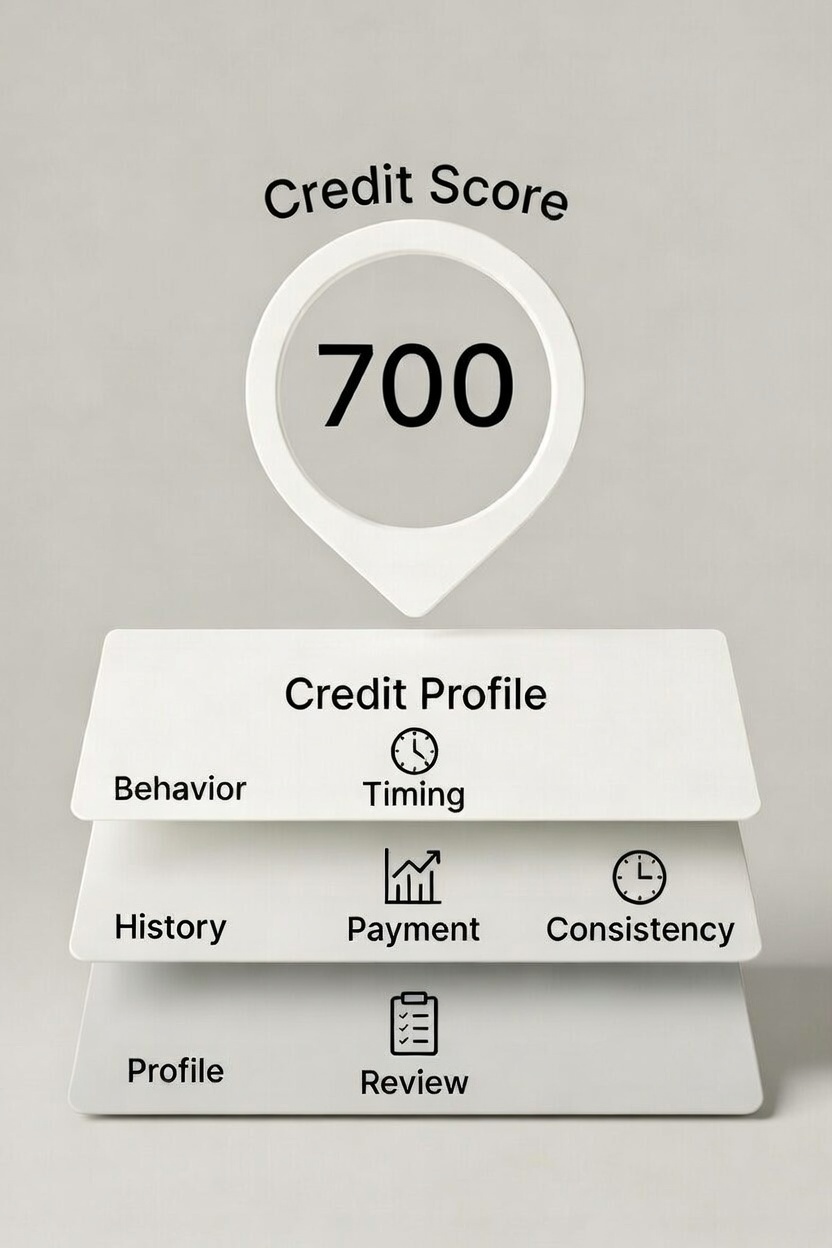
This is where credit positioning matters.
You are not just picking an account.
You are choosing what story your credit profile will start telling.
When Budget Credit Building Is Enough
Budget credit building may be enough if your goal is simply to start.
If you have no credit, one secured card or one credit-builder account may be a reasonable first step.
If your file is thin, a simple starter account may help create activity.
If your budget is limited, it is better to start small and manage well than to open accounts you cannot maintain.
The goal at this stage is not to look fully approval-ready overnight.
The goal is to establish a clean foundation.
That means on-time payments, low reported balances, stable activity, and patience.
When Budget Credit Building Is Not Enough
Budget credit building may not be enough if your goals are bigger.
If you are preparing for higher-limit credit cards, lenders may want to see stronger revolving history.
If you are preparing for auto financing, they may look at broader repayment ability, income, debt, and history.
If you are preparing for a mortgage, timing and clean profile structure matter heavily.
If you are preparing for business funding, your personal credit may need stronger depth, cleaner utilization, and better lender-aligned positioning.
SCORE’s guide to establishing business credit recommends starting to build business credit history early, rather than relying only on personal credit. Our guide to building business credit walks through the first steps.
That supports the bigger point.
Business owners should not think about credit only at the moment they need funding.
They should build the profile before the funding conversation starts.
What to Avoid When Building Credit on a Budget
Avoid opening every cheap account you see.
Avoid paying unnecessary fees just because an account reports.
Avoid assuming all tradelines have the same value.
Avoid relying only on authorized user accounts.
Avoid maxing out a low-limit card.
Avoid applying for too many accounts too quickly.
Avoid treating credit building like a race.
Fast does not always mean strong.
A profile built too quickly can look unstable.
A profile built with the wrong accounts can look active but still weak.
The goal is not more accounts for the sake of more accounts.
The goal is better structure.
Credit Positioning Review CTA
If you are trying to build credit on a budget but still want future approvals, it may help to review your profile before opening more accounts.
A Credit Positioning Review can help you understand what your current profile may be missing, whether starter accounts are enough for your goal, and what type of account may make more sense next.
This is especially useful if you are preparing for an apartment, auto financing, higher-limit credit cards, a mortgage, or future business funding.
Request a Credit Positioning Review
Common Questions About Building Credit on a Budget
What is the cheapest way to start building credit?
The cheapest way is usually to start with one reportable account you can manage consistently.
That may be a secured credit card, beginner card, or credit-builder account depending on your situation.
The account should report, have reasonable costs, and fit your goal.
Is Kikoff good for building credit?
Kikoff may help some beginners create reporting activity, but it should not be treated as a complete credit-building strategy.
It may be useful as a starter tool, but stronger approval goals may require stronger primary tradelines over time.
Is Self good for building credit?
Self may help some people add credit-builder loan payment history.
That can be useful if the profile is thin, but it does not replace the need for revolving account management.
Should I get a secured credit card or credit-builder loan first?
It depends on what your profile is missing.
A secured card can help build revolving credit history.
A credit-builder loan can help build installment history.
For many beginners, revolving history is especially important because lenders often want to see how you manage available credit.
Do budget credit-building accounts help with business funding?
They may help start the profile, but they are usually not enough by themselves for business funding readiness.
Business funding readiness may require stronger personal credit structure, business banking, revenue history, lower utilization, and lender-specific requirements.
Final Thoughts
Building credit on a budget can be a smart starting point.
But starter accounts are not all the same.
Some accounts help create basic reporting activity.
Others help build stronger approval readiness over time.
The difference is strategy.
If your goal is only to start, keep it simple.
If your goal is higher limits, apartments, auto financing, mortgages, or business funding, think beyond the starter stage.
You do not need to open random accounts just to look active.
You need the right accounts, managed the right way, at the right time.
Was this helpful?
Leave a comment, share this article, or send a message if you want me to explain more about building credit on a budget, starter accounts, secured cards, credit-builder loans, or approval readiness.
Building credit on a budget works best when the account supports the profile you are trying to build.
Official sources: CFPB: Ways to start or rebuild a good credit history · FTC: Understanding your credit · CFPB: Know Before You Owe, credit cards
Keep reading
- Start here: Credit Basics Guide
- How to Build Credit for Approval Readiness: 7 Profile Factors Beginners Miss
- Secured Cards vs Credit Builder Products: Which One Actually Builds Credit Faster?
- How Many Credit Accounts Do You Really Need to Build a Strong Profile?
- How Credit Works for Beginners: What Actually Matters Before You Start
Educational content only, not financial, legal or credit repair advice. WealthShift doesn’t guarantee any credit score, credit limit or approval outcome. Examples use round numbers for illustration.

Building credit on a budget FAQ
What is the cheapest way to build credit on a budget?
A no-annual-fee secured card or a small credit-builder loan from a credit union is often the lowest-cost start, as long as it reports to all three bureaus.
How long does building credit on a budget take?
A first score can appear after about six months of reported activity. A strong profile takes longer and depends on consistent on-time payments.
Can I build credit on a budget without a credit card?
Yes. Credit-builder loans and some rent or utility reporting services can add history, although cards are still the most common tool.
What should I avoid when building credit on a budget?
Avoid high-fee “credit repair” products, carrying balances that cost interest, and applying for many accounts at once.
Leave a Reply