
Comparable tradelines are accounts on your credit report that resemble the credit you’re applying for. If you’re applying for a credit card, an existing card with a reported limit, balance, and payment history gives the issuer more directly relevant information than a different kind of account. Each issuer decides how much weight to give that history. See the CFPB guide to understanding your credit score.
A lot of people think credit limits are based only on the credit score.
That is not how it usually works.
Your score matters, but lenders may also look at the structure of your profile.
One part of that structure is your tradelines.
A tradeline is an account that appears on your credit report.
That can include credit cards, loans, auto loans, student loans, mortgages, and other reported accounts.
When lenders review your profile, they may look at what types of accounts you have, how long you have had them, how you manage them, and what limits or balances are attached to them.
That is where comparable tradelines come in.
What Are Comparable Tradelines?
Table of Contents
Comparable tradelines are accounts on your credit profile that help show what kind of credit you already manage.
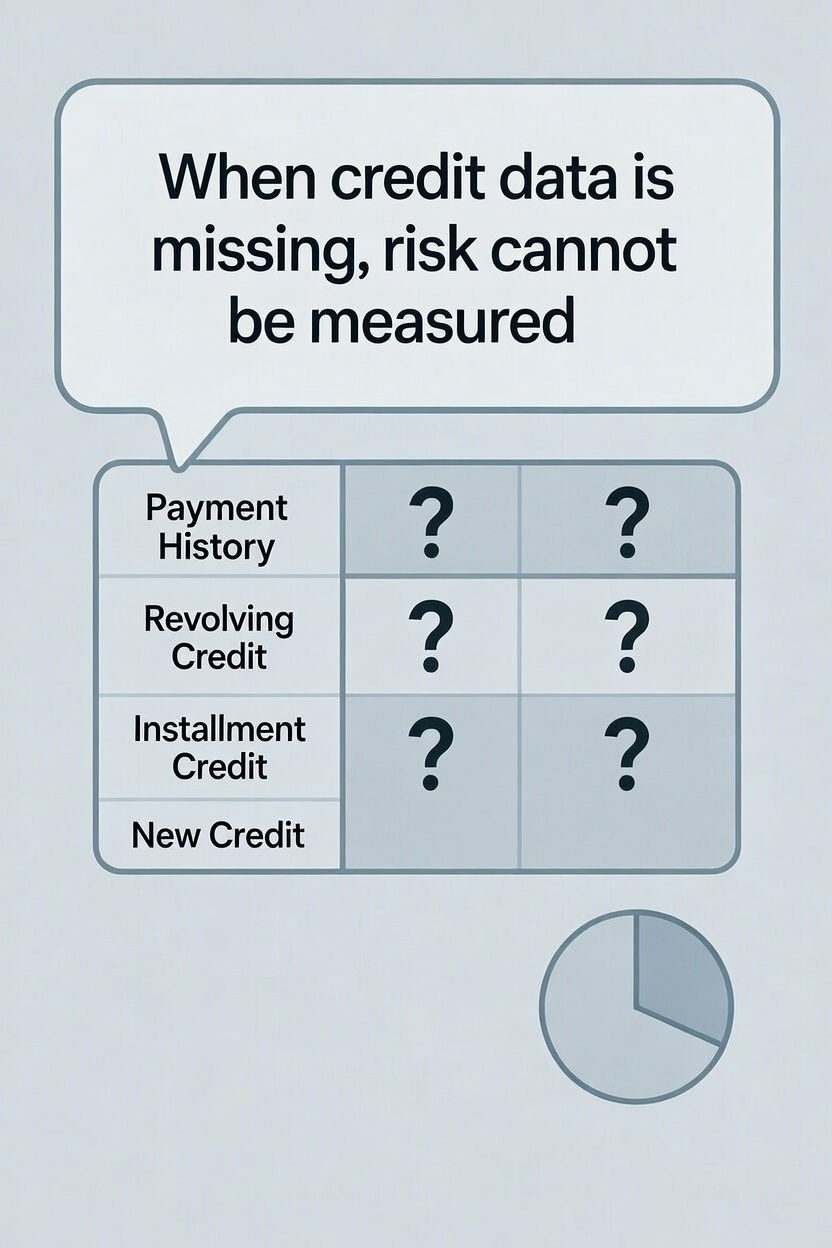
For credit cards, this often means lenders may look at your current revolving credit limits.
For example, if your current cards have limits of $300, $500, and $1,000, a lender may not have much proof that you can manage a much higher limit yet.
That does not mean they cannot approve you higher.
It means they may be cautious.
They may start you lower until your profile shows more experience with stronger limits.
Comparable tradelines help lenders compare what you already handle with what you are asking for next.
If this is part of why your limits keep coming in low, read the full breakdown on Why Do I Keep Getting a Low Credit Limit With Good Credit?.
Why Comparable Tradelines Matter to Lenders
Comparable tradelines matter because lenders want evidence.
They are not only looking at whether your score is good.
They are also looking at whether your profile shows experience managing credit responsibly.
If you already manage a $5,000 card well, a lender may have more comfort than if your highest limit is $500.
That does not mean a $500 limit is bad.
It just means the lender may not see much proof yet that you can manage a much larger line.
Lenders may use your current limits as one part of the overall picture.
They may also look at payment history, utilization, income, debt, recent applications, and account age.
A strong comparable tradeline can help tell a better story.
But a weak or thin tradeline history can make the lender more cautious.
How Lenders May Read Comparable Tradelines
Your current limits can sometimes shape what new lenders feel comfortable offering.
If your profile shows only small limits, the lender may start small too.
This is especially true if your credit history is newer or your profile does not show much depth.
The lender may think:
“This person may have a good score, but we have not seen enough proof that they can manage a larger credit line yet.”
That is why some people keep getting approved, but only for low limits.
Their score may look fine, but their current accounts are not showing enough strength yet.
This is also why one person with a 690 score may get a better limit than someone with a 740 score.
The 690 profile may have older accounts, stronger current limits, lower utilization, and better account depth.
The 740 profile may have a good number, but not enough structure behind it.
Primary Tradelines Matter
Primary tradelines are accounts in your own name.
They show that you are directly responsible for managing the account.
This matters because lenders usually want to see how you handle credit yourself.
Authorized user accounts may help add history, but they are not always viewed the same way as primary accounts.
A profile with mostly authorized user history may look stronger on the surface than it really is.
The score may benefit, but the lender may still want to see more accounts where you are the primary borrower.
That is why primary tradelines matter for approval positioning.
They help show your own repayment behavior, account management, and credit responsibility.
Comparable Does Not Always Mean Identical
Comparable tradelines do not have to be identical accounts.
The point is not that every account must match perfectly.
The point is that lenders want to see relevant proof.
If you want stronger credit card limits, your revolving credit history matters.
If you want auto financing, installment history may matter.
If you want a mortgage, long-term repayment history, debt, income, and reserves may matter more.
The type of credit request affects what kind of profile evidence matters most.
For credit limits, revolving tradelines are especially important because they show how you manage open-ended credit.
A lender may ask:
“Has this person shown they can manage available credit without overusing it?”
That is a different question than simply asking for your score.
Utilization Still Matters
Comparable tradelines are not just about the limits.
They are also about how you use those limits.
A $5,000 credit card can help your profile if it is managed well.
But if it is constantly reporting near the limit, it may create concern.
A lender may see the higher limit, but also see that the balance is too high.
That can weaken the value of the tradeline.
This is why utilization matters.
A strong tradeline is not just a large limit.
It is an account that shows controlled usage, on-time payments, and stable management.
Before you apply again, download the free guide: Good Credit… So Why Are You Getting Denied or Low Limits?
It will help you review what lenders may be seeing beyond your score, including utilization, income, debt, recent applications, account history, and overall profile strength.
Account Age Adds More Context
Account age also matters.
A new tradeline with a high limit may not carry the same weight as an older account with consistent history.
Lenders may look at how long you have managed the account.
They may also look at whether the account has been stable.
For example, an account that is six years old with clean history may show more trust than an account that opened two months ago.
This does not mean new accounts are bad.
It means lenders may need time to see how those accounts perform.
When a profile has both strong limits and strong age, it can look more reliable.
When a profile has new accounts, low limits, or limited history, lenders may move more cautiously.
Recent Applications Can Weaken the Signal
Recent applications can make comparable tradelines less helpful.
If you open several new accounts quickly, lenders may wonder why you are seeking so much credit.
Even if some accounts have decent limits, too much recent activity can create a risk signal.
The lender may think your profile is changing too fast.
They may want to wait and see how the new accounts perform.
That is why timing matters.
The goal is not just to add tradelines.
The goal is to build a profile that looks stable.
Adding accounts without a plan can work against you.
Negative Items Can Affect Lender Confidence
If negative items are reporting, they can affect how lenders view the rest of your profile.
You may have comparable tradelines, but the lender may still review late payments, collections, charge-offs, or recent delinquencies.
The issue is not only whether you have accounts.
The issue is what those accounts say about risk.
A profile can have tradelines and still look risky if the history shows problems.
This is why reviewing your report matters before applying again.
The goal is to understand what your profile is saying, not just count how many accounts you have.
How Comparable Tradelines Help Approval Positioning
Comparable tradelines can support approval positioning because they help you understand what your profile is ready for.
If your profile only shows low limits, it may be better to build gradually.
If your profile shows higher limits managed well, that may support stronger future requests.
If your profile has new accounts, high utilization, or recent inquiries, it may be better to wait.
This is where strategy matters.
You are not just asking, “What is my score?”
You are asking, “What does my profile prove?”
That question gives you a better way to prepare before applying again.
What To Review Before Applying Again
Before applying for another card or asking for a higher limit, review your current tradelines.
Look at the limits.
Look at the balances.
Look at the age of each account.
Look at whether the accounts are primary or authorized user accounts.
Look at recent applications.
Look at any negative items.
Look at whether your profile actually supports the type of limit you want.
If your score looks good but your approvals keep coming in low, do not guess your next move.
Download the free guide and review the factors that may be affecting your profile before you apply again.
Quick FAQ About Comparable Tradelines
What are comparable tradelines?
Comparable tradelines are accounts that help show what type of credit you already manage.
For credit limits, lenders may look at your current revolving accounts, limits, balances, and account history.
Do lenders look at current credit limits?
Lenders may look at current credit limits as part of the full profile review.
Current limits can help show what type of credit you have already managed.
Do authorized user tradelines count?
Authorized user tradelines may help in some situations, but they may not carry the same weight as primary tradelines.
Lenders usually want to see how you manage accounts in your own name.
Can comparable tradelines help me get higher limits?
They can support a stronger profile if they show responsible account management, stable history, controlled utilization, and enough depth.
They do not guarantee higher limits.
Should I add tradelines before applying?
It depends on your profile.
Adding accounts without a plan can create new inquiries, lower average age, and make your profile look unstable.
Review timing and structure before adding anything new.
Final Thoughts
Comparable tradelines are one piece of the credit limit decision.
They help lenders understand what kind of credit you already manage.
If your current limits are low, your profile is new, or most accounts are not in your own name, a lender may be cautious.
That does not mean you are stuck.
It means your profile may need better structure, more time, or stronger account history before your next move.
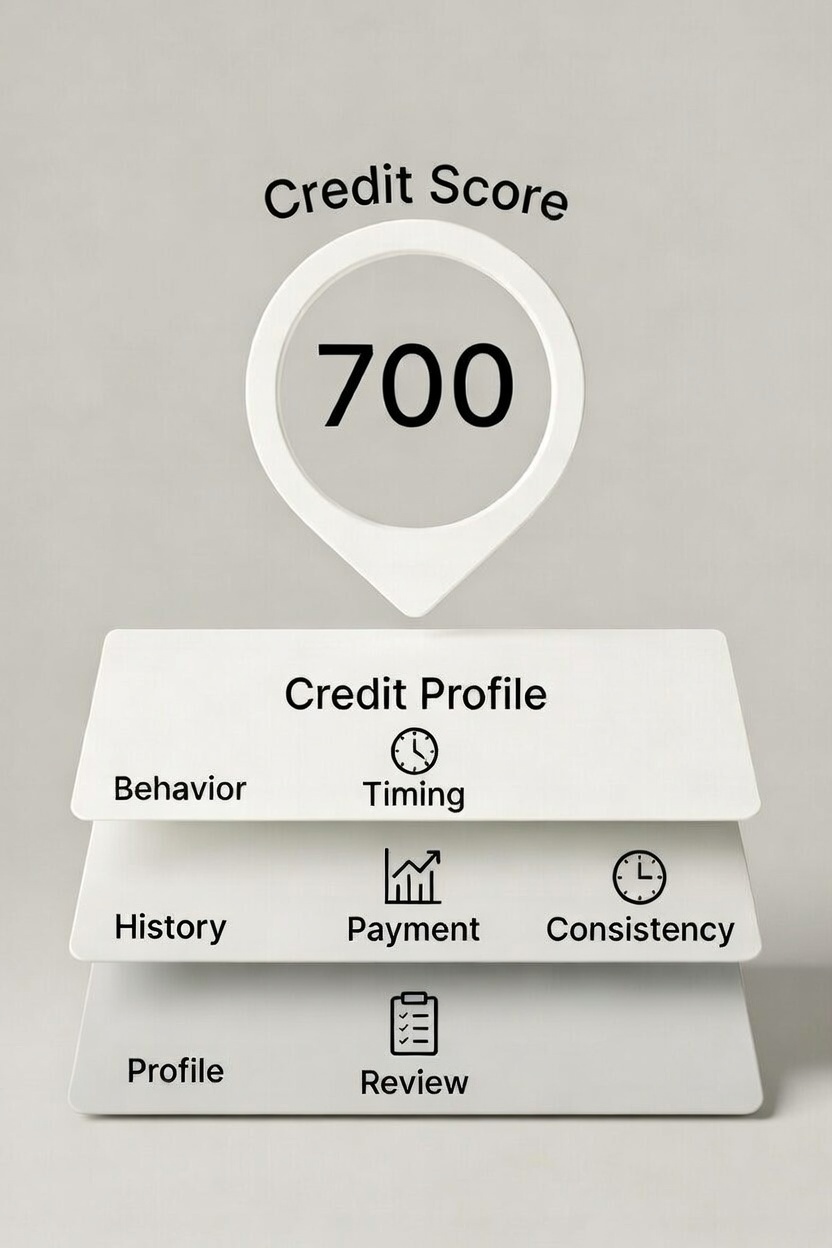
If you want help understanding what your credit profile may be saying before you apply again, you can request a Credit Profile Review.
This is not about guessing or applying randomly.
It is about reviewing your profile before you make another decision.
Was this helpful?
Leave a comment or send a message with what you want explained next: comparable tradelines, low limits, utilization, lender risk, or when to apply again.
A stronger approval strategy starts with understanding comparable tradelines.
Official sources: FTC: Understanding your credit · CFPB: What are credit scores?
Keep reading
- Start here: Credit Basics Guide
- Why Do I Keep Getting a Low Credit Limit With Good Credit?
- What a $500 Credit Limit Actually Means
- What To Fix Before Requesting a Credit Limit Increase
- How Many Credit Accounts Do You Really Need to Build a Strong Profile?
Educational content only, not financial, legal or credit repair advice. WealthShift doesn’t guarantee any credit score, credit limit or approval outcome. Examples use round numbers for illustration.

Leave a Reply