
So you got approved, and the limit came back at $500. What does a $500 credit limit actually mean? It’s the most you can carry on that card at one time. Let’s say your statement reports a $125 balance. That’s 25% of the limit. A $250 balance is already 50%. If the card charges a fee, compare that cost to what you’re actually getting from keeping it. See the CFPB guide to understanding your credit score.
You may have applied expecting a higher limit.
Then the approval comes back at $500.
Now you are wondering if the lender does not trust you.
You may also be wondering if a $500 limit means your credit is bad.
The simple answer is no, not always.
A $500 credit limit is low, but it does not automatically mean you have bad credit.
It may mean the lender is starting small.
It may mean they want to see how you manage the account first.
It may also mean your full profile does not support a higher limit yet.
That is the part most people miss.
The credit score is not the full decision.
Your score is only one part of what lenders may review.
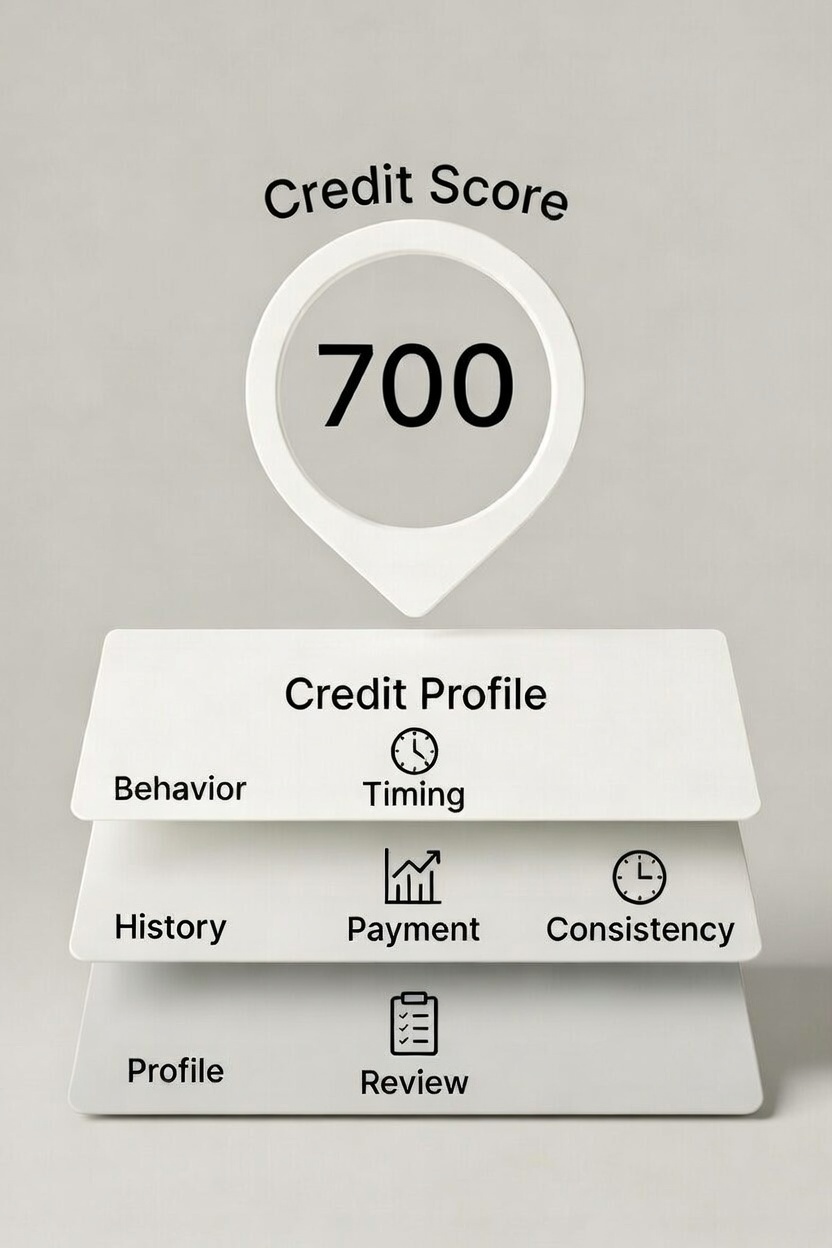
Your full credit profile tells the deeper story.
A $500 Credit Limit Is Usually a Starting Point
Table of Contents
A $500 credit limit usually means the lender approved you, but they are limiting their risk.
They are giving you access to credit, but not too much at once.
That can happen when your profile is still new, thin, recently active, or not showing enough history with larger limits.
This does not mean the account is useless.
A $500 limit can still help you build history if you manage it carefully.
The problem is when people see the low limit and immediately apply somewhere else without understanding why it happened.
That can lead to more inquiries and more low-limit approvals.
If this keeps happening, it may help to read the full breakdown on Why Do I Keep Getting a Low Credit Limit With Good Credit?.
A $500 Limit May Be the Lender Testing Risk
Lenders do not always give their best limit first.
Sometimes they start low to see how you handle the account.
This is especially common if they do not have enough proof that you can manage a larger credit line yet.
They may want to see if you pay on time.
They may want to see if you keep balances controlled.
They may want to see if you avoid applying for too much credit too quickly.
A $500 limit can be a test of behavior.
If you manage it well over time, the lender may become more comfortable.
That does not guarantee a future increase, but it can help build a stronger relationship with that account.
Your Current Limits May Be Holding the New Limit Down
One reason you may receive a $500 credit limit is because your current limits are also low.
Lenders may compare what you already manage before deciding what they feel comfortable offering.
If your current accounts are all around $300, $500, or $1,000, the lender may not see enough evidence that you can handle a much larger limit yet.
That is where comparable tradelines matter.
Comparable tradelines are accounts that help show what type of credit limits you already manage.
If your profile does not show experience with higher limits, a lender may start you lower.
That does not mean you are stuck there.
It means the profile may need more time, structure, or stronger account history.
How to Calculate Utilization on a $500 Credit Limit
A $500 limit can become tricky because utilization moves fast.
If you spend $250 on a $500 limit, that is already 50% utilization.
If you spend $400, that is 80% utilization.

That can make your profile look riskier if the balance reports that way.
This is why a low limit needs careful management.
Even normal spending can look high on paper when the limit is small.
You may pay the balance off later, but the reported balance still matters.
If the lender or credit bureaus see high utilization, it may affect how your profile looks.
That is why a $500 limit is not just about the number.
It is about how much of that limit reports.
Before you apply again, download the free guide: Good Credit… So Why Are You Getting Denied or Low Limits?
It will help you review what lenders may be seeing beyond your score, including utilization, income, debt, recent applications, account history, and overall profile strength.
Your Income and Debt May Affect the Limit
A lender may also look at your income compared to your debt.
Your score may look good, but if your monthly obligations look high, the lender may approve you for a smaller amount.
This is about capacity.
Capacity means your ability to handle additional credit or payments.
If the lender sees that you already have a lot of debt compared to your income, they may be cautious.
That can lead to a smaller starting limit.
This does not mean you did something wrong.
It means the lender may not want to extend more risk than they believe your profile can support.
Recent Applications Can Lead to Lower Limits
Recent applications can also affect your starting limit.
If you have applied for multiple accounts recently, lenders may see that as a risk signal.
They may think you are trying to access too much credit too quickly.
Even if your score is still good, recent activity can make the profile look less stable.
This can result in a smaller approval.
It can also cause the lender to approve you, but only with a cautious limit.
That is why timing matters.
Sometimes the better move is not applying again right away.
Sometimes the better move is to pause, let your profile settle, and understand what needs to improve before your next application.
A $500 Credit Limit Is Not Automatically Bad
A $500 credit limit is low, but it can still serve a purpose.
It can help you build payment history.
It can help you show responsible usage.
It can help you create an account relationship with that lender.
But it only helps if you manage it carefully.
The danger is treating a $500 limit like it gives you a lot of room.
It does not.
With a small limit, even small balances can report high.
So the goal is to keep usage controlled, pay on time, and avoid stacking more applications too quickly.
A $500 limit is not the end of the story.
It may simply be the lender’s starting point.
When a $500 Limit May Be a Profile Signal
One $500 limit may not be a major problem.
But repeated $500 limits can be a signal.
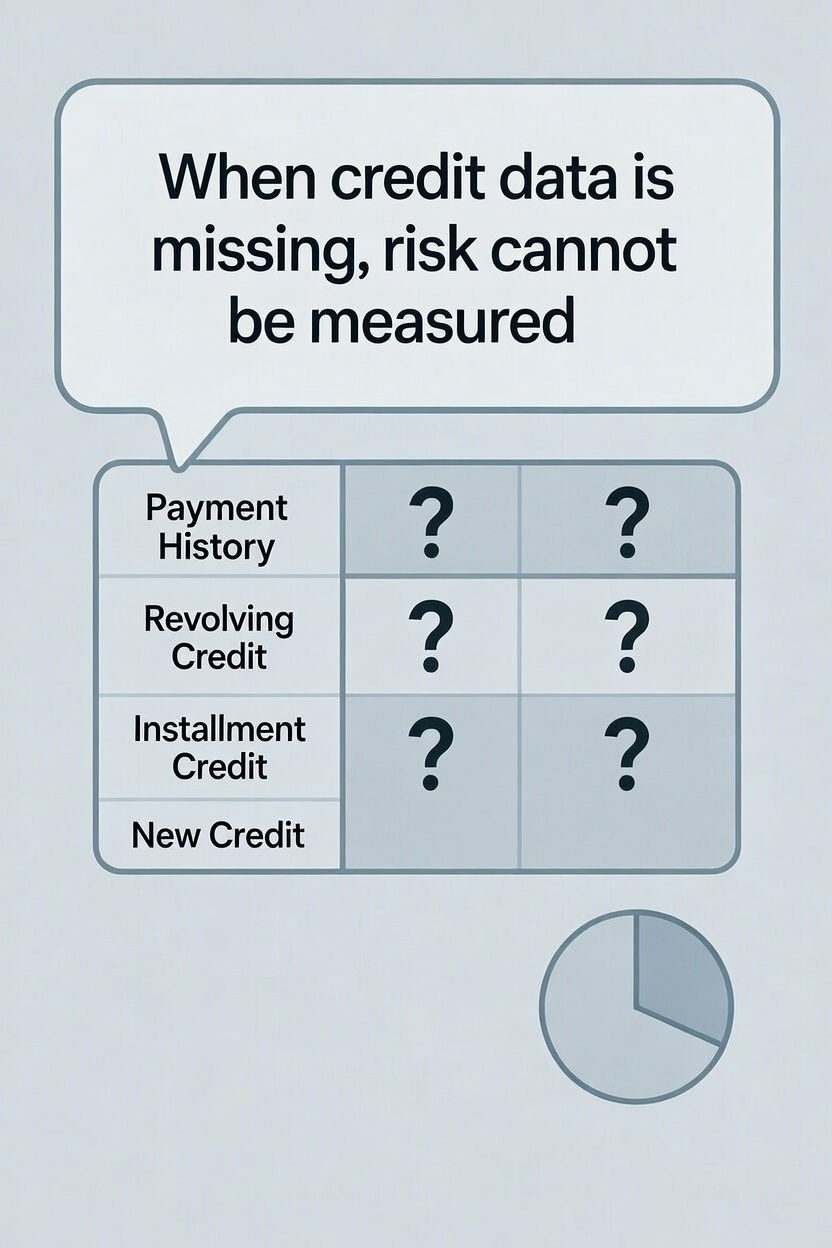
If multiple lenders keep giving you the same low range, your profile may be showing something they do not like.
That may include:
- high utilization, too many recent applications, limited primary tradelines, short account history, low comparable limits, income and debt concerns, negative items, or lack of lender trust.
This is where you need to slow down and review the full profile.
Do not just apply again because you feel frustrated.
That can create more inquiries without solving the issue.
The smarter move is to figure out what the low limits are trying to tell you.
What To Do After Getting a $500 Credit Limit
The first thing to do is not panic.
The second thing is not to rush into another application.
Start by reviewing why the limit may have been low.
Look at your current balances.
Look at your recent inquiries.
Look at your account age.
Look at your current limits.
Look at whether your profile has enough primary accounts.
Look at your income compared to your debt.
Look at whether any negative information is still reporting.
The goal is to understand what the lender may have seen.
Once you understand that, you can make a better decision.
You may need to manage the account for a while.
You may need to lower balances.
You may need to wait before applying again.
You may need to build stronger tradelines.
You may need to request a credit profile review before making another move.
If your score looks good but your approvals keep coming in low, do not guess your next move.
Download the free guide and review the factors that may be affecting your profile before you apply again.
Should You Keep a $500 Credit Limit Card?
In many cases, yes.
If the card has no expensive fees and you can manage it responsibly, it may still be useful.
It can help you build history.
It can help you show on-time payments.
It can help you build trust with that lender.
But you have to watch the utilization closely.
A $500 limit can report high utilization very quickly.
So if you keep the card, use it carefully.
The goal is not to max it out.
The goal is to show that you can manage the account with discipline.
When Should You Ask for a Higher Limit?
Do not ask for a higher limit just because you want one.
Ask when your profile gives the lender a reason to feel more comfortable.
That may mean your balances are lower.
Your payment history is stronger.
Your account has aged.
Your income is stable.
Your recent applications have slowed down.
Your profile looks less risky.
Some lenders allow soft-pull credit limit increase requests.
Others may require a hard pull.
Before requesting an increase, check the lender’s process.
Also check whether your profile is actually ready.
If you want help understanding what your credit profile may be saying before your next move, you can request a Credit Profile Review.
This is not about applying randomly or chasing higher limits.
It is about reviewing your profile before you make another decision.
Quick FAQ About a $500 Credit Limit
Is a $500 credit limit bad?
A $500 credit limit is low, but it is not automatically bad.
It may be a starting point or a lender test.
What matters is how you manage it and whether low limits keep repeating across your profile.
Can a $500 credit limit help build credit?
Yes, a $500 credit limit can help build credit if you pay on time and keep the reported balance low.
The limit is small, so utilization needs to be managed carefully.
Why did I only get a $500 credit limit with good credit?
You may have received a $500 credit limit because the lender saw risk beyond your score.
That risk may come from thin credit history, high utilization, low current limits, recent applications, income and debt, or negative items.
Should I use my full $500 credit limit?
Using the full $500 limit can make your utilization look high if the balance reports.
It is usually better to keep reported balances controlled so the account does not make your profile look stretched.
Can I get a higher limit later?
You may be able to get a higher limit later, depending on the lender, your account history, payment behavior, income, utilization, and overall profile strength.
There is no guaranteed timeline, so the focus should be on building trust and profile strength.
Final Thoughts
A $500 credit limit can feel small, but it does not automatically mean your credit is bad.
It may mean the lender is starting carefully.
It may mean your profile needs more depth.
It may mean your current limits, utilization, recent applications, income, debt, or account history are affecting lender confidence.
The key is not to guess.
The key is to review what your full profile may be saying before you apply again.
If this helped, leave a comment or send a message with what you want explained next: low limits, lender trust, utilization, comparable tradelines, or when to ask for an increase.
A $500 credit limit is low, but it can become useful when you understand what it means and manage it with a plan.
Official sources: CFPB: Know Before You Owe, credit cards · CFPB: What are credit scores?
Keep reading
- Start here: Credit Basics Guide
- That $500 credit limit isn’t the problem
- Is a Low Credit Limit Bad?
- Why Banks Start You With a Low Credit Limit
- What To Fix Before Requesting a Credit Limit Increase
Educational content only, not financial, legal or credit repair advice. WealthShift doesn’t guarantee any credit score, credit limit or approval outcome. Examples use round numbers for illustration.

Leave a Reply